
Blog topic
Commercial Truck Accidents
Focused Oregon injury guidance related to Commercial Truck Accidents.
Articles tagged "Commercial Truck Accidents"
Understanding Oregon Commercial Truck Accident Claims
Oregon truck crashes raise complex legal and insurance issues. This guide explains the statutes, case law, and practical steps that shape commercial truck accident claims in Oregon.
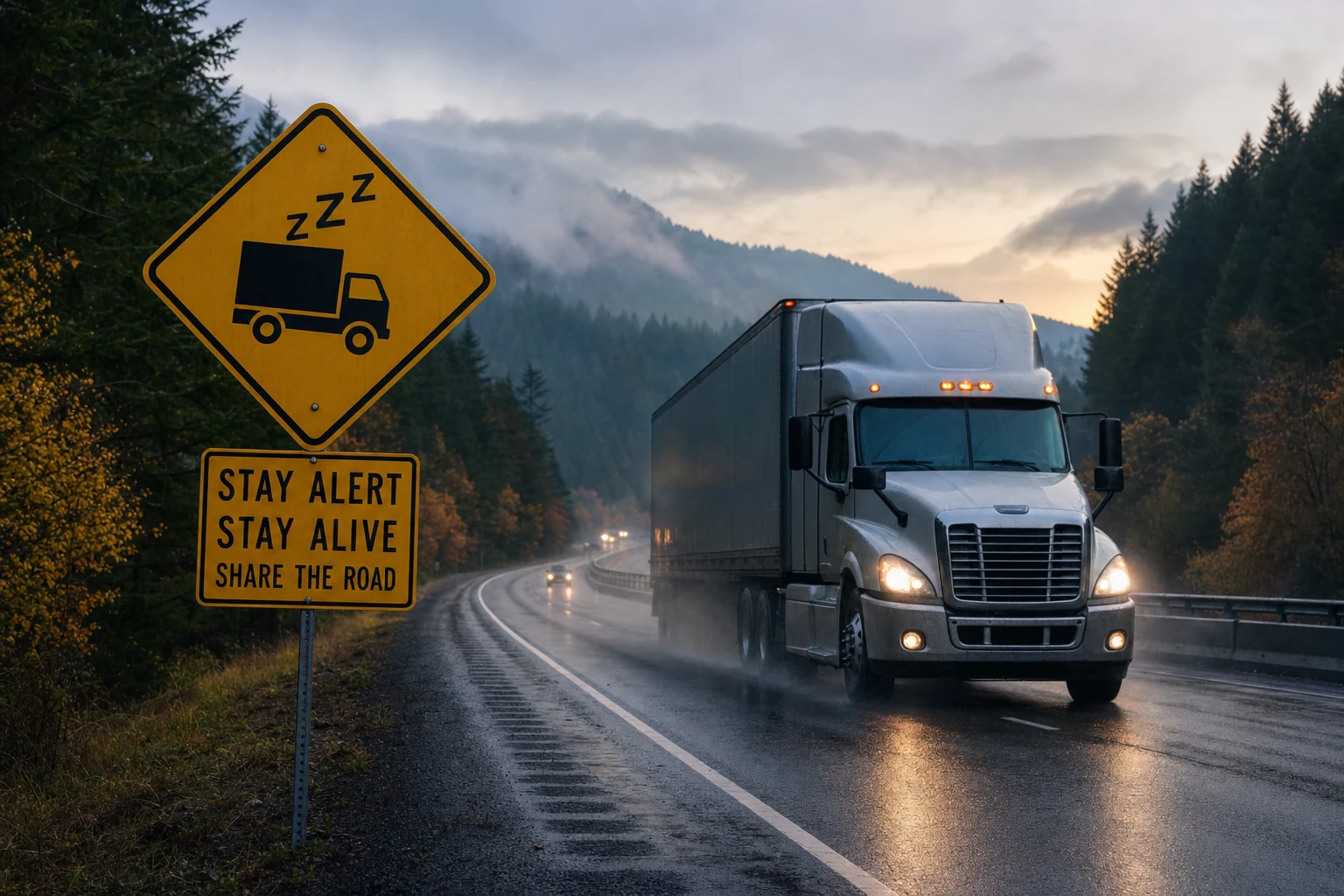
Learn moreCommercial Truck Accidents and Driver Fatigue: Understanding the Risks and Protecting Yourself
This article examines the risks of commercial truck accidents caused by driver fatigue and how to protect yourself. It covers how to spot signs of fatigue in drivers, what laws are in place, and steps you can take to stay safe.
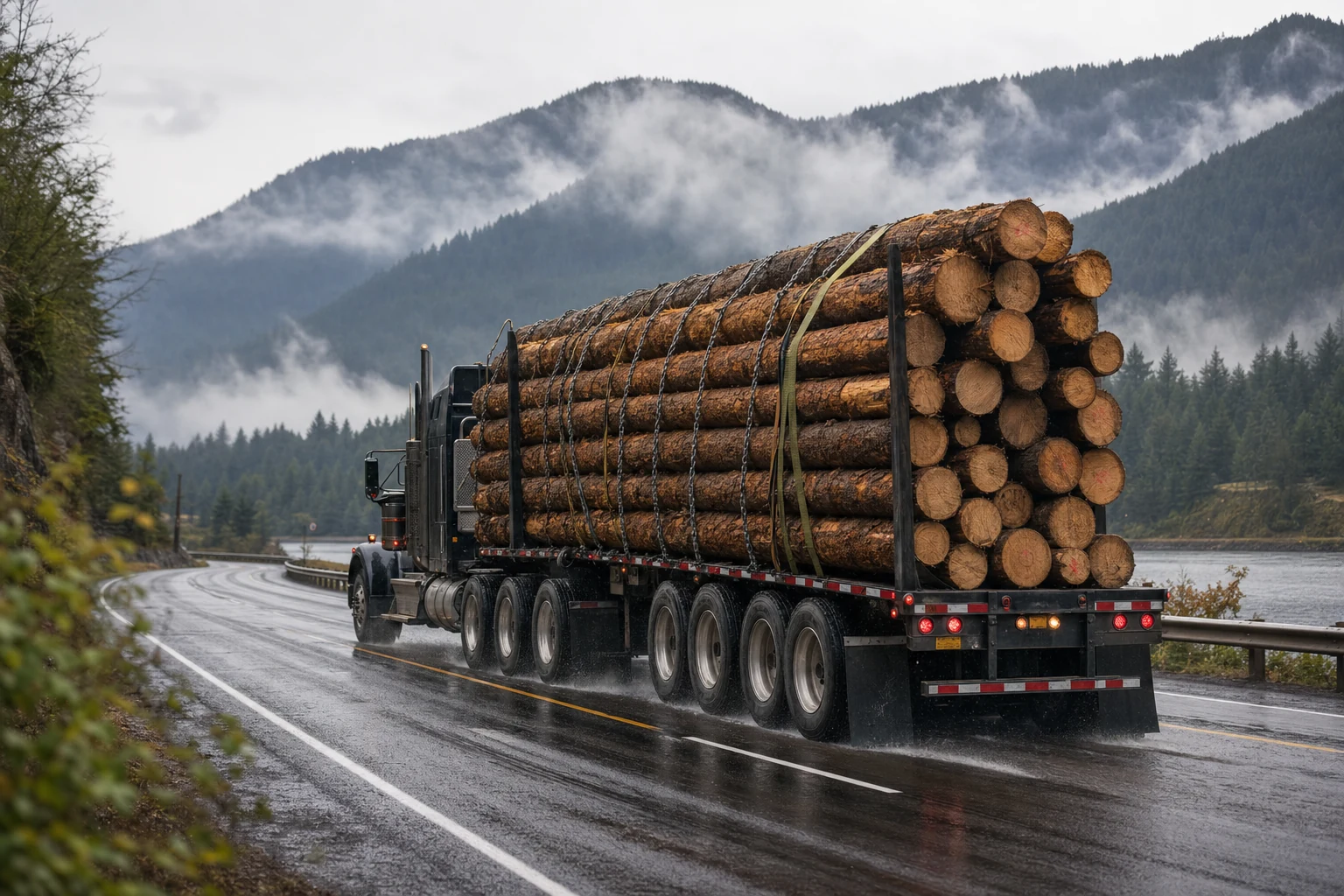
Learn moreCommercial Truck Accidents and Load Securement: Understanding the Risks and Protecting Yourself
This article discusses the risks associated with commercial truck accidents and how to protect yourself. It covers the importance of securing loads, safety regulations, and how to reduce crash risks.
Learn moreUnderstanding the Role of FMCSA in Oregon Commercial Truck Accident Ca
The Federal Motor Carrier Safety Administration (FMCSA) is responsible for regulating and monitoring commercial trucking safety in the United States. They investigate crashes, create safety regulations, and enforce rules to reduce the number of commercial truck accidents.
Learn moreDeciphering Responsibility in Commercial Truck Accidents: A Guide on Liability
Commercial truck accidents in Oregon can involve complex liability issues. Understanding who is responsible for damages is crucial to securing fair compensation. Our latest blog post explores the common causes of commercial truck accidents, potential liable parties, and methods for determining fault. Join us at Pacific Injury Law Firm in Portland as we navigate the complexities of commercial truck accident liability and help you get the justice you deserve.
Learn moreLegal Rights in Commercial Truck Accidents: A Comprehensive Guide
Commercial truck crashes can involve serious injuries, multiple insurance policies, company records, and evidence that should be preserved early after the collision.
Learn more