Injury guidance for Crook County
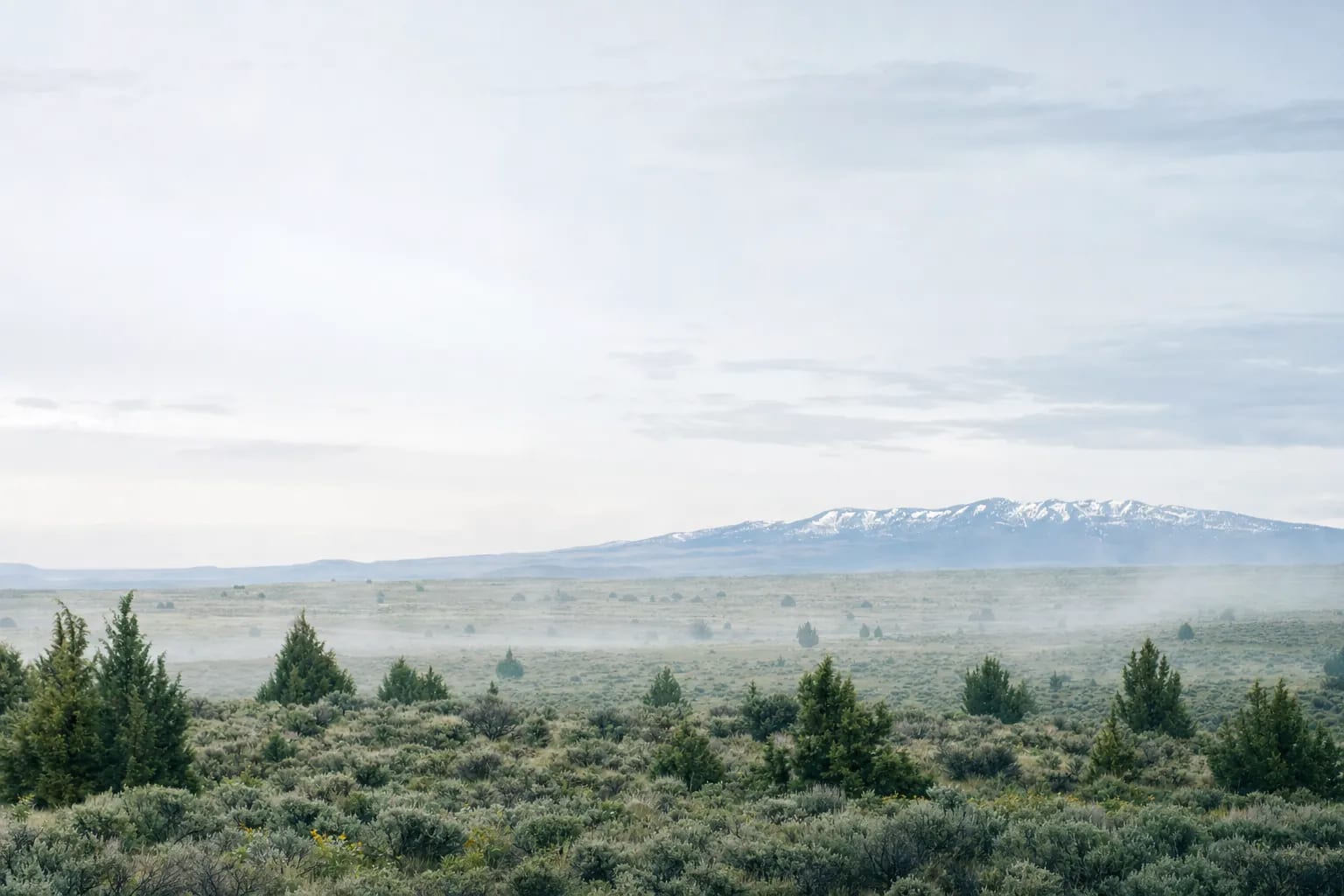
Crook County is the most central county in Oregon, and its county seat, Prineville, is Central Oregon's oldest city, set in the Crooked River Caldera. The county was established by an act of the Oregon State Legislature in 1882, two years after Prineville incorporated as what was then the county's only town. As of the 2020 census, 24,738 people lived here, in Prineville itself and in outlying communities such as Juniper Canyon, Ochoco West, and Prineville Lake Acres.
Daily life here runs on working land. Forest products, agriculture, livestock raising, and recreation and tourism make up the county's economy: irrigation districts support hay, grain, mint, potato, and seed farming, while ponderosa pine from the Ochoco National Forest supplies the timber side. When someone is hurt here — in a vehicle, on a jobsite, on a trail — the questions that follow are practical: who documented the incident, where the records live, and how treatment gets handled while responsibility is sorted out.
Where reports, records, and court functions are based
Prineville is where Crook County's government functions are concentrated, and court matters for the county are typically handled there. Which agency documented your incident usually depends on where it happened: the local police agency typically responds within Prineville, while the county sheriff's office generally covers unincorporated areas such as Juniper Canyon and the routes out toward the national forest. Identifying the right agency early makes it easier to request the report and any related records.
Geography matters for another reason. Crook County borders Jefferson and Wheeler counties to the north, Grant to the east, Harney to the southeast, and Deschutes to the southwest, so where an incident happened relative to a county line can affect which court and which agencies hold the relevant records. Regional air travel in Central Oregon typically runs through the Redmond Airport, so many visitors reach Crook County by road. If you were hurt while visiting, the incident report, the responsible party, and your own insurer may all sit in different places, a detail worth sorting out early.
How local work and recreation shape a claim
Recreation is part of everyday life here. Trails along rivers, through canyons, and up mountainsides draw hikers, cyclists, and fly anglers, and the area also offers camping, boating, a skate park, and skydiving. An injury during recreation can raise questions about whether a landowner, an operator, or another visitor may bear some responsibility. Conditions at a trailhead, campground, or riverside can change quickly, so photographs and witness names gathered the same day tend to matter.
Annual festivals and visitor traffic mean some injured people live far from where an incident happened, which affects where follow-up treatment occurs and which insurers are involved. Work injuries in timber, farming, and ranching bring their own logistics: incidents may occur well outside town, and the records that support a claim (employer reports, equipment details, medical visits) can accumulate in several places. Keeping your own copies as you go can save real effort later.
Practical first steps from Prineville outward
Start a simple written timeline while details are fresh, and add to it as appointments and phone calls happen. Photograph what you can: the scene, any vehicle or equipment involved, and visible injuries. Note which agency responded and ask for the report number. Keep a running list of every provider you see, including travel for treatment if you live outside town. Before giving a recorded statement to any insurer, it may help to understand your options first. When you are ready to talk through what happened and what comes next, you can request a consultation with our office.