Injury guidance for Curry County
Curry County occupies Oregon's southwestern corner, where the South Coast runs down to the California line at Del Norte County. Gold Beach is the county seat, one of a string of coastal towns (Langlois, Port Orford, Brookings) that each carry their own mix of festivals, local food, and outdoor recreation. The county, named for George Law Curry, a two-time governor of the Oregon Territory, counted 23,446 residents in the 2020 census.
Life here is spread out. Coos and Douglas counties lie to the north and northeast, Josephine County to the east, and part of the Siskiyou National Forest lies within the county, with the Oregon Islands National Wildlife Refuge offshore. When an injury happens here, practical questions follow quickly: where the report was filed, where treatment is available, and how to manage an insurance claim from a small coastal community.
Where reports, records, and court matters sit on the south coast
Curry County's towns sit along the coastline: Langlois, Port Orford, Gold Beach, and Brookings. An injury may happen inside a city, in unincorporated county territory, or somewhere in between. If a collision happens outside city limits, the county sheriff's office may hold the report; a crash inside one of the coastal towns may be documented by that city's police department instead. Confirming the agency name and report number at the start saves real time later.
Because Gold Beach is the county seat, county-level government functions are typically centered there, and court filings connected to a Curry County injury claim are generally handled through the county seat as well. Medical records may end up spread across more than one provider if early treatment happened in one town and follow-up care in another, so keeping a simple list of everyone who treats you is worth the effort.
How life on the Wild Rivers Coast shapes an injury claim
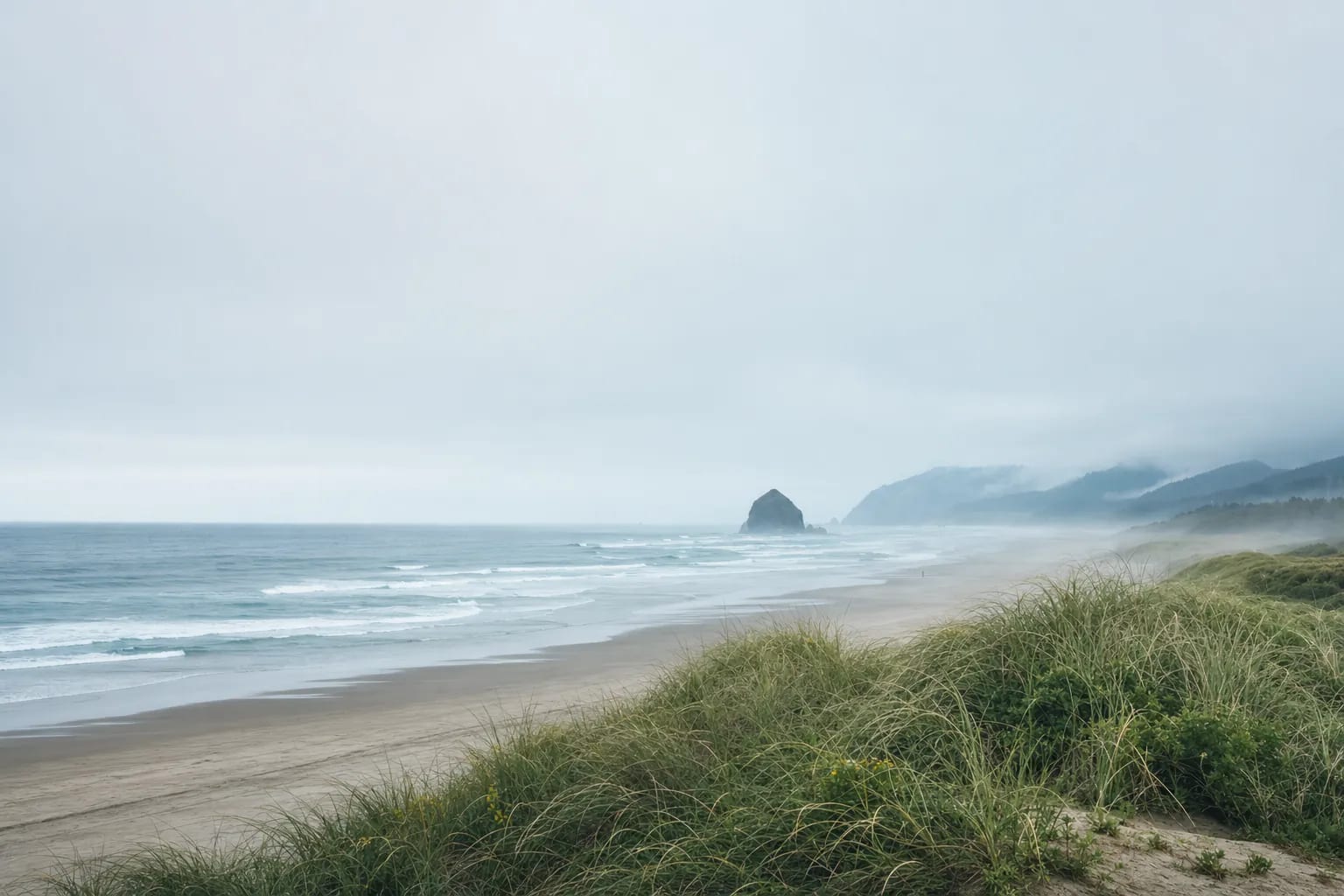
Much of what draws people to Curry County — sandy beaches, hidden coves, lookouts along the cliffs, forested trails, and paddling on wild rivers — also shapes how injuries happen and what evidence exists afterward. A fall on a trail or at a campground raises questions about who maintains the site, and coastal conditions can change quickly, so photographs taken early often matter more than anything gathered later.
The visitor economy adds another layer. Oceanfront resorts, vacation rentals, RV parks, and campgrounds host travelers, and local events, festivals, and whale watching draw people who may live far from Oregon. When the other person in a crash is visiting, their insurer may be based out of state, which can slow communication and makes your own early documentation more useful.
Work matters too. Timber production, plant nurseries, and Christmas tree farms operate in the county, and its farms grow blueberries, nursery plants, and most of the Easter lilies produced in the United States. An injury connected to farm or timber work may involve overlapping coverage questions: workers' compensation on one side, a possible claim against a third party on the other. Sorting that out early can prevent missteps.
Practical steps after an injury near Gold Beach or Brookings
Start with a written timeline while details are fresh: the date, the place, the weather, who was present, and what was said. Photograph vehicles, the roadway or trail, and any visible injuries before conditions change. Ask the responding agency for its name and the report or case number. Keep the appointments you reasonably can, and note when treatment requires a long drive. Those records help show what the injury has actually cost you. Save every message from any insurer, and know that you may talk through your options with a lawyer before giving a recorded statement. If it would help to walk through your situation, you can request a consultation with our office whenever you are ready.