Injury guidance for Hood River County
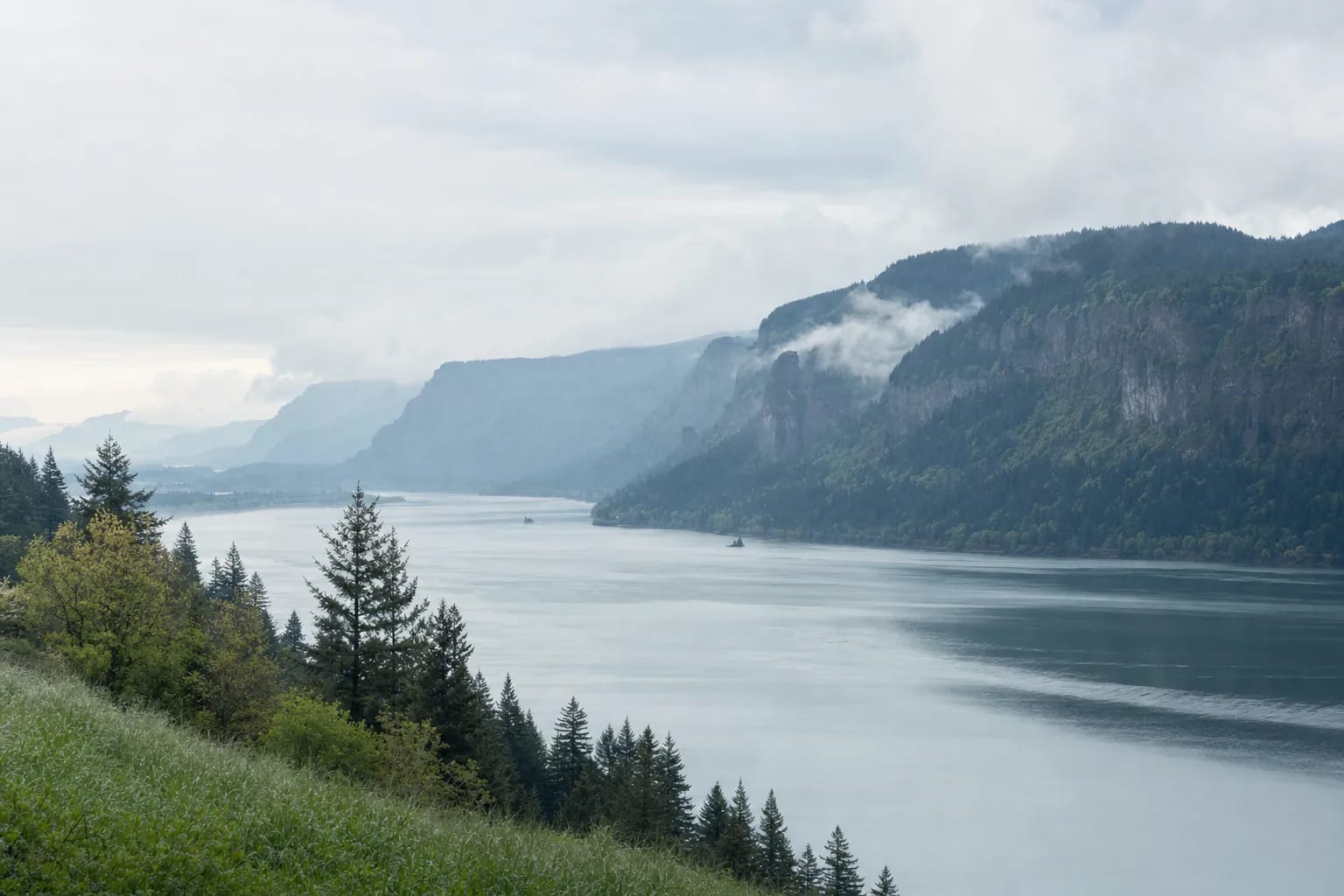
Hood River County sits between Mount Hood and the Columbia River, in the middle of the Columbia River Gorge. Its county seat is the city of Hood River, and the 2020 census counted 23,977 residents. The county is small by population but a well-known destination that draws windsurfers, mountain bikers, skiers, hikers, and kayakers, helped along by Gorge winds that run between 15 and 35 knots on most summer days.
The county was established in 1908 and takes its name from the Hood River, a tributary of the Columbia. Daily life here still reflects its roots: agriculture, timber, lumber, and recreation are longstanding sources of work and revenue, while health care and social assistance has been the county's largest industry sector by earnings. When someone is hurt here, whether on a road, at a worksite, or out on the water, the practical questions are the same ones injured Oregonians face anywhere: who is responsible, where the records live, and what to do next.
Roads, reports, and records around the county seat
Travel through this part of Oregon has followed the Columbia for a long time. The Columbia River Highway, completed in 1922, linked Portland and The Dalles and improved access to Hood River, and through-traffic between Portland and points east has moved along the river corridor ever since.
If you are hurt in a crash, the report typically sits with whichever agency responded. That may be the Hood River County Sheriff's Office, city police in Hood River, or state police on major corridors. Court functions for the county are generally based in Hood River, the county seat, and a lawsuit arising from an injury in the county may be filed there, though the right venue depends on the facts, including where the parties live and what kind of claim it is. Medical records stay with the providers who treated you, so knowing every provider you saw matters from the start.
When Gorge recreation and county work enter the picture
Recreation injuries carry their own questions. Windsurfing, kayaking, mountain biking, and skiing often involve rented equipment, guided outings, or waivers signed quickly at a counter, and hiking injuries in the Mount Hood Wilderness, the Hatfield Wilderness, or the Columbia River Gorge National Scenic Area can raise questions about who, if anyone, bears responsibility. If you were visiting the county when you were hurt, gathering the report number, witness contacts, and initial medical records before you head home can save months of chasing paper later.
Work injuries follow a different path. Agriculture and timber remain important industries here, and an injury on a farm or in timber work may involve a workers' compensation claim alongside a possible claim against someone other than an employer. How those two interact depends on the situation, and it is worth talking through rather than guessing.
Practical early moves after a Hood River County injury
In the first days, keep your focus on treatment and simple record-keeping. Write down what happened while it is fresh: date, time, location, and conditions, since weather and wind can genuinely matter here, especially on the water. Photograph vehicles, equipment, the scene, and your injuries. If a law enforcement agency responded, ask for the report number and note which agency holds it. Keep a running list of every provider and every appointment, and save any messages from insurers. You may want to speak with a lawyer before giving a recorded statement, because a call that feels routine can shape a claim. Deadlines apply to Oregon injury claims and vary with the circumstances, so it helps to understand yours early. If it would be useful to talk through your options, you can request a consultation with our office. No pressure, and no obligation.