Injury guidance for Jefferson County
Jefferson County was carved out of Crook County on December 12, 1914, and takes its name from Mount Jefferson, Oregon's second-tallest peak. Madras, incorporated in 1911, became its permanent seat by a 1916 general election after Culver briefly held the role under a governor-appointed commission. Around it sit Culver and Metolius, plus Warm Springs, Camp Sherman, and Crooked River Ranch, all within the county's stretch of Central Oregon.
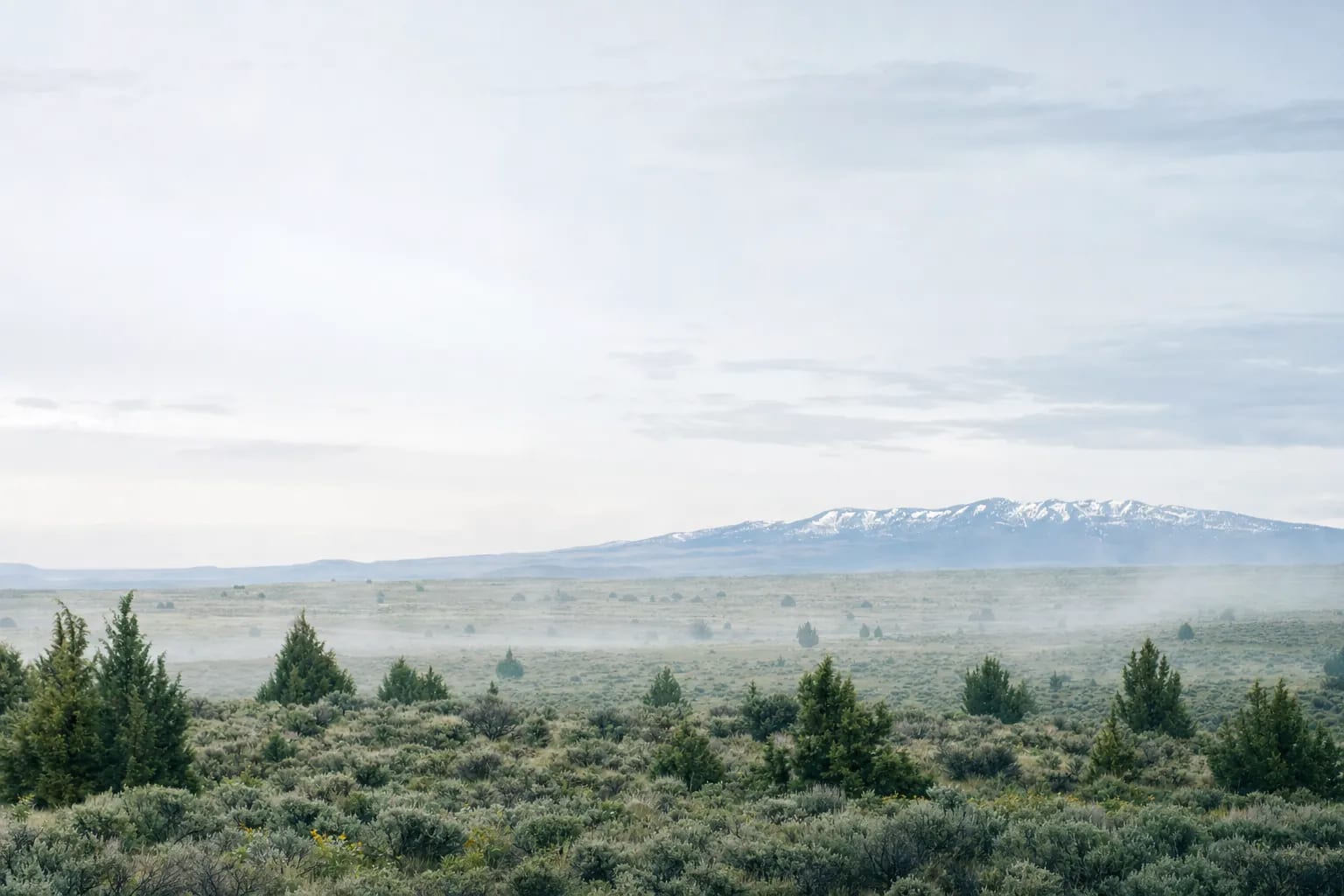
Daily life is organized around cultivated ground and open sky. Some 60,000 acres of irrigated land produce vegetable, grass, and flower seeds, along with garlic, mint, and sugar beets, and agriculture remains the county's predominant source of income. The railroad completed in 1911 still links Madras to the Columbia River. With 300 days of sunshine, the county also draws people for fishing, hunting, camping, boating, and water-skiing. Injuries here tend to happen on farm equipment, rural pavement, or the water, and each setting raises different questions about paperwork, insurers, and care.
Madras, land ownership, and the paper trail after an injury
Because Madras has served as the seat of county government for over a century, county-level functions, including court proceedings that arise from Jefferson County injuries, are generally administered there. Which agency documents an incident depends on who responded: a collision or fall inside Madras is typically written up by city officers, while calls on county roads or in unincorporated places such as Crooked River Ranch usually go to the sheriff's office. Confirming with the responding agency how its report can be obtained later saves confusion down the road.
Who owns the ground can matter as much as where it lies. National Forest System lands managed by the Forest Service cover about 24 percent of the county, and roughly another 21 percent is owned and managed by the Confederated Tribes of Warm Springs. An injury on Forest Service ground or on the reservation can mean a different responding agency, a different custodian of records, and sometimes a different path for the claim itself, so pin down the location precisely. And with Redmond, home to the region's airport, serving as Central Oregon's hub, the people and paperwork tied to a claim may not all sit inside county lines.
Farm work, the Deschutes, and how each shapes a claim
The Deschutes brings whitewater rafters, anglers, and canyon cyclists through the county, and local recreation now runs from camping, boating, and hiking to a skate park and skydiving. When someone is hurt mid-river or mid-trail, care rarely begins and ends in one town: first aid at the scene, an initial exam nearby, follow-up elsewhere. Your own log of each provider, appointment, and treatment-related trip gives a claim an accurate picture of what recovery has demanded.
Visitors carry their insurance with them, so the responsible party's carrier may sit far from Central Oregon with no familiarity with the canyon, the rapids, or the county road involved. Clear photographs and written descriptions carry extra weight there. On the farm side, an injury during seed harvest or irrigation work can sit at the intersection of workers' compensation and a third party's liability coverage. Which system applies, and whether both do, depends on details worth reviewing before signing or settling anything.
Sensible early steps from anywhere in the county
Start a simple file within days if you can. Set down the date, place, and sequence of events in your own words; photograph whatever remains visible, from damaged equipment to healing bruises; and note the incident report number along with the agency holding it. Stay consistent with medical appointments, and gather every insurer letter, email, and voicemail in one folder rather than responding piecemeal. A recorded statement can wait until the claim is understood. When a second set of eyes would help, request a consultation and we will talk through your options at your pace.