Injury guidance for Klamath County
Klamath Falls is the seat of Klamath County and the anchor for its roughly 69,000 residents counted in the 2020 census. The county sits in southwestern Oregon along the California line (Siskiyou and Modoc counties border it to the south), with Deschutes County to the north and Lake County to the east. Beyond Klamath Falls, smaller cities such as Bonanza, Chiloquin, Malin, and Merrill carry their own share of local routines and local traffic.
Downtown Klamath Falls is a hub of shopping and dining along a historic Main Street, and the county is home to two colleges, Klamath Community College and the Oregon Institute of Technology. When an injury interrupts ordinary life here (a collision on the way to work or class, a fall at a business, an incident on the water), the questions that follow are practical ones: who documented what happened, who pays for treatment, and what should come next.
Where Klamath County reports and court matters typically live
After a crash, the first useful detail is often which agency responded. Inside Klamath Falls, that may be the city's police department; in unincorporated areas, it may be the Klamath County sheriff's office; on state highways, it may be the Oregon State Police. Each agency keeps its own reports, so noting who arrived and asking for a report or incident number makes later requests simpler.
Because Klamath Falls is the county seat, county government functions are generally based there, and civil court matters arising in the county are typically handled through the courts that serve it. Medical records may end up with more than one provider; gathering them early, while details are fresh, tends to make a claim easier to evaluate.
When lakes, trails, and working land enter the picture
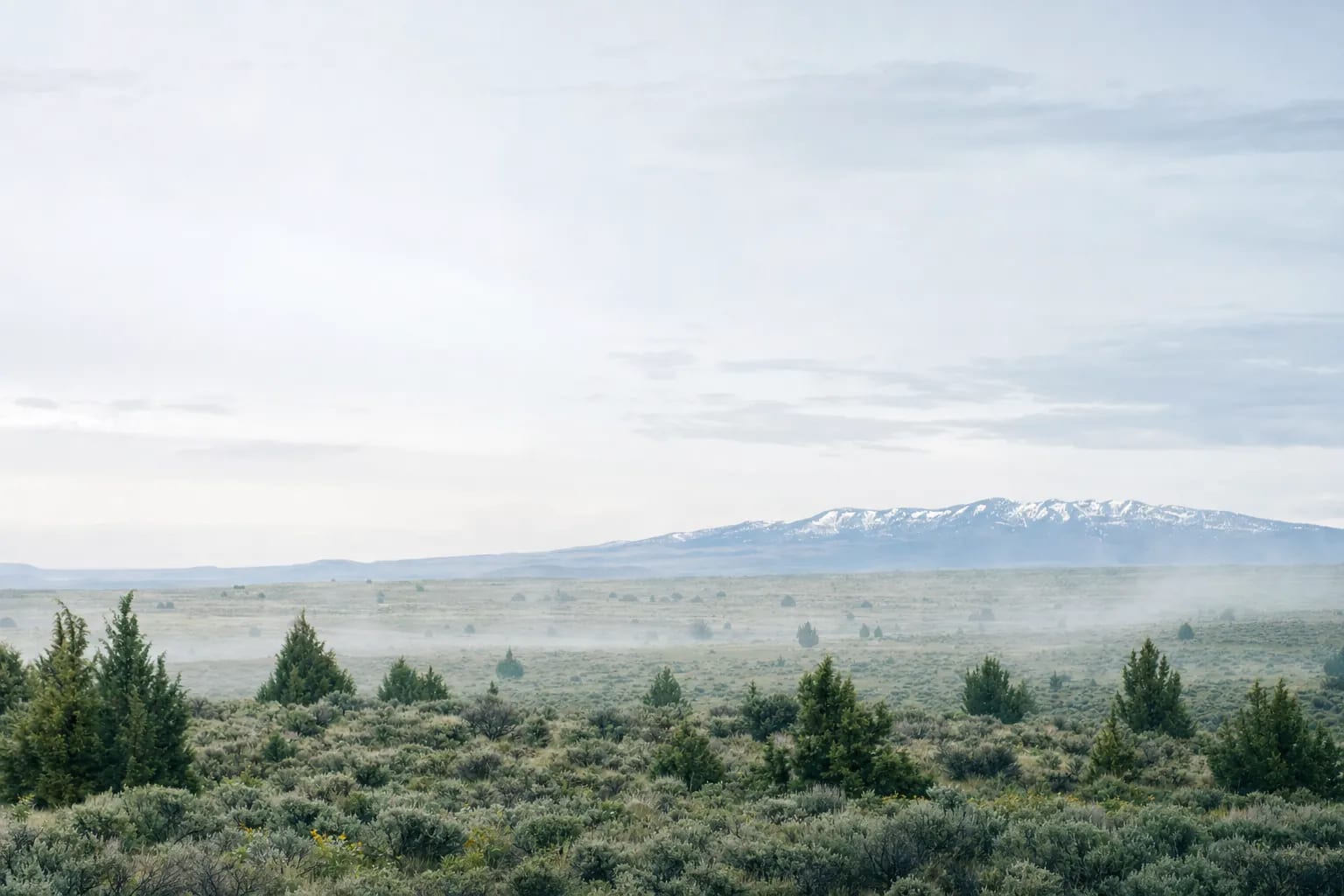
Outdoor recreation contributes to the local economy: hiking, hunting, trout fishing, mountain trails and mountain-bike networks, and nearly 300 lakes used for boating, swimming, and other water sports. Crater Lake, Oregon's only national park, is part of that draw. Recreation injuries carry their own logistics. An incident report may sit with a park, an outfitter, or a private landowner rather than a police agency, and visitors hurt away from home often need help coordinating treatment and records afterward.
The county's economy was historically built on timber and agriculture, and while those industries now account for only a small fraction of local employment, their legacy remains visible on the land and in the community's identity. An injury on a farm, on timberland, or at another worksite can involve different insurance policies and different responsible parties than a roadway crash, so it can help to sort out early whose coverage may apply. The area also promotes four seasons of sports, culture, and festivals, so who is in town shifts through the year — a detail that can matter when identifying witnesses.
Sensible early moves after a Klamath County injury
A few steady, unhurried steps in the first days tend to preserve the most useful information:
- Set down your own account soon: the date, where you were headed, conditions, and anyone who saw what happened.
- Photograph what you can: vehicles, the surrounding area, and any visible injuries, before repairs or cleanup change things.
- Record which agency took the report (city police, the sheriff's office, or state police) and how to request a copy.
- Follow through on treatment and keep billing statements and visit records together.
- If an insurer asks for a recorded statement, you may want advice first; a short pause is rarely a problem.
None of this needs to be done perfectly, and none of it commits you to anything. If it would help to talk through your options with someone familiar with Oregon injury claims, you can request a consultation whenever you are ready.