Injury guidance for Lake County
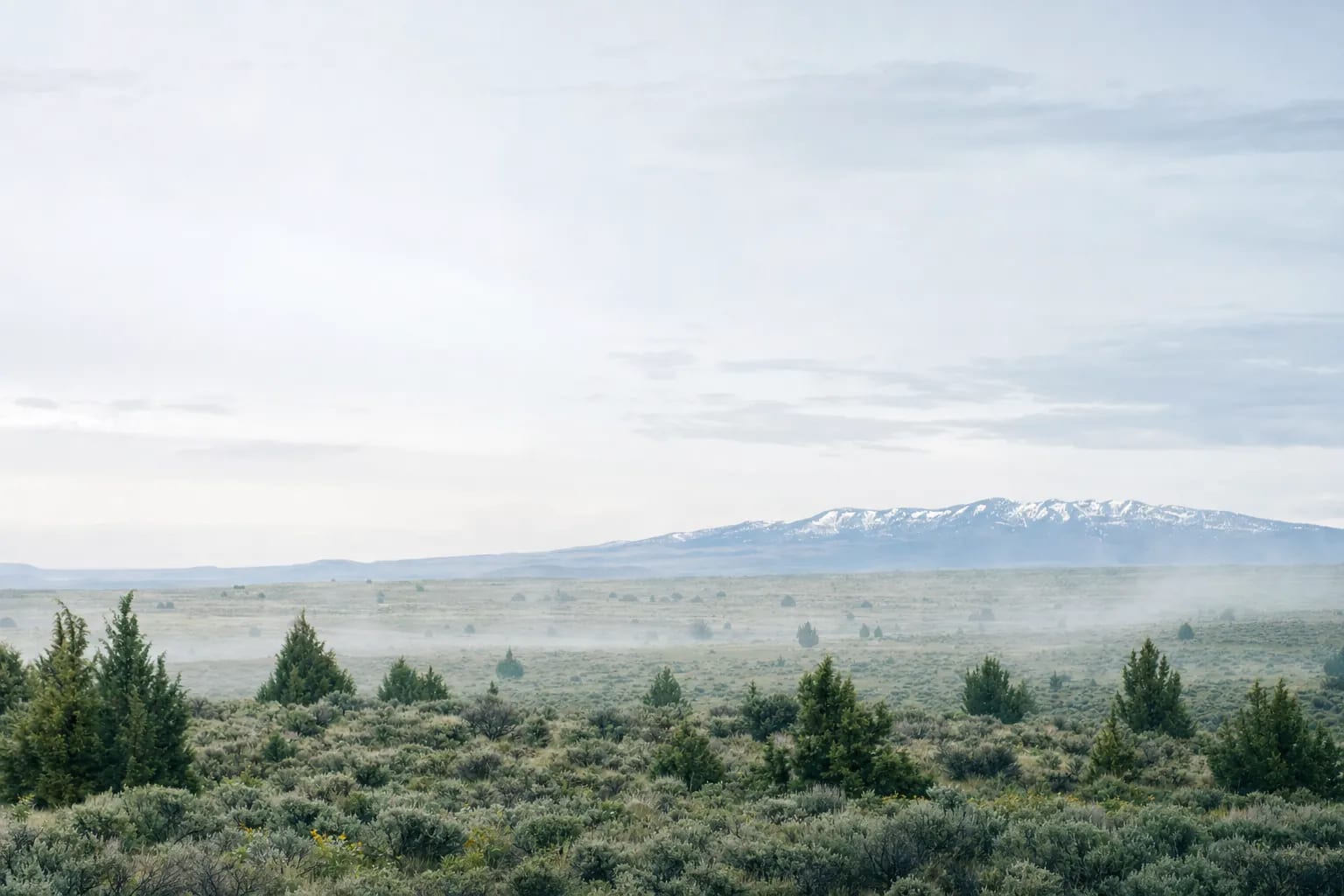
Lake County is Oregon high desert: alkali lakes, sagebrush country, and hills forested with western juniper, ponderosa, and lodgepole pine. Lakeview has been the county seat since an election moved it there in 1875, and it is still where much of the county's official business happens. The county sits in the central part of the state on a map, but daily life aligns more with eastern Oregon: long distances, small towns, and plenty of driving in between.
Those towns include Paisley, Silver Lake, New Pine Creek, and Plush, with open country stretching between them. When someone is hurt here, whether on a highway, at work, or out on public land, the practical questions tend to be the same: who responded, where the paperwork went, and how to keep up with treatment when providers may be a long drive away.
Where reports and records end up in a spread-out county
Oregon Route 31 and Oregon Route 140 are the county's major highways, carrying residents, freight, and travelers across long open stretches. Lake County has always been shaped by distance. Its early rail line ran south from Lakeview to Reno rather than toward the rest of Oregon, and that geography still matters when you need documents after a crash.
Which agency holds the report typically depends on where the injury happened. A collision inside Lakeview may be documented by city police, while crashes on rural highways and county roads are often handled by the sheriff's office or the state agency that responded. Because Lakeview is the county seat, court functions and county offices are generally centered there, and a claim filed in Lake County would typically proceed through them. If you can, ask the responding officer for a report or incident number before leaving the scene. It makes every later records request simpler.
How high desert life shapes an injury claim
Tourism is a growing part of the local economy. Visitors come for Hart Mountain National Antelope Refuge, Hunter's Hot Springs, Goose Lake, and Warner Canyon, along with hang gliding and rock hunting, and Fort Rock draws travelers to the county's north end. An injury on that kind of trip brings its own logistics: witnesses may live hours away, and treatment often begins wherever care can be reached first. Collecting names, phone numbers, and photos before people scatter can matter more here than it would in a city.
Work in the county runs to lumber, agriculture, natural resource extraction, health care, corrections, and government, with one mill still operating at Lakeview. Injuries tied to that kind of work can involve overlapping systems: a workers' compensation claim, a possible claim against someone other than an employer, and equipment or maintenance records that a business controls. What applies depends on the facts, which is one reason preserving records early keeps options open.
Practical first moves after a Lake County injury
A few unhurried steps protect most of what a claim later needs. Write out your own timeline of the day while the details are fresh. Photograph the scene, any vehicles or equipment involved, and your visible injuries as they heal. Keep the report or incident number and the name of the agency that responded. Follow through with medical care and hold on to visit records, even when appointments mean a drive to another town. Save every letter, email, and voicemail from an insurer, and consider getting advice before agreeing to a recorded statement.
If you were hurt in Lake County and want to talk through your options, you can request a consultation with our office whenever you are ready — no pressure, and no obligation.