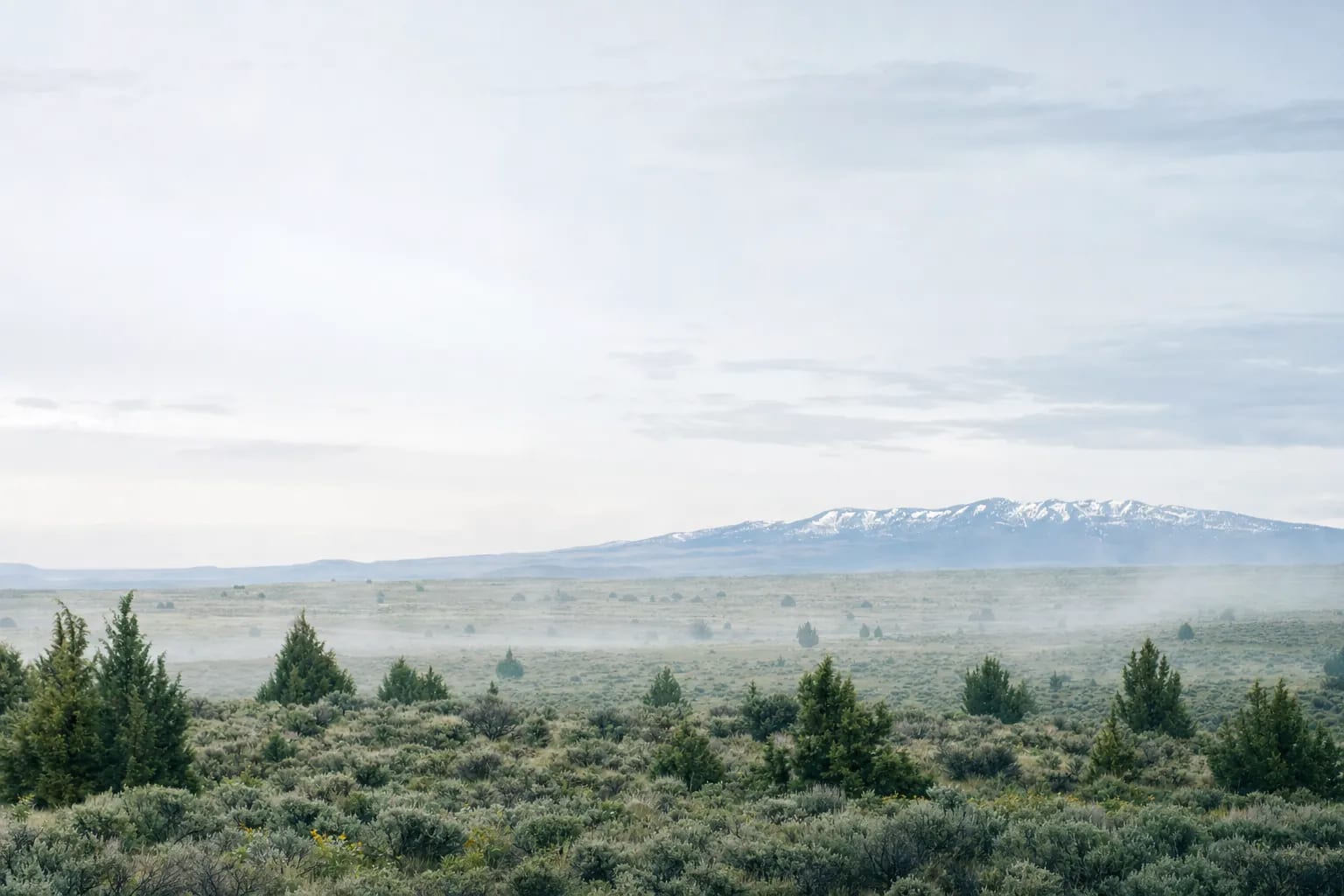
Injury guidance for Malheur County
Malheur County is the second-largest county in Oregon by area, and it is the only Oregon county that keeps Mountain Time. Its county seat is Vale, and its largest city is Ontario. The county takes its name from the Malheur River, which runs through it, and it has stood on its own since 1887, when it was created from the southern territory of Baker County.
That size shapes daily life for the people who live and work here. Reaching a medical appointment, a government office, or the next town over can mean real driving time, much of it on the interstate and U.S. highways that cross the county. When an injury happens (on the road, at a business, or on public land), the practical questions that follow are shaped by that same geography.
Roads, reports, and records around Vale and Ontario
I-84, US 20, US 26, US 30, and US 95 all carry traffic through Malheur County, along with state routes such as OR 52, OR 78, and OR 201, and the Oregon Eastern Railroad is the county's main rail line. After a collision on one of these corridors, an early question is which agency responded. A crash on a rural stretch may be documented by the county sheriff's office, while a collision inside Ontario or another city may be handled by a city police department. If you can, note the responding agency and the report number at the scene.
Because Vale is the county seat, county-level court functions and many county records are typically centered there, even though Ontario is the larger city. Some public notices also appear in the Malheur Enterprise, the county's newspaper of public record. An attorney can help you ask the right office for the right document.
How life in Oregon's Mountain Time county can shape a claim
Ontario's Four Rivers Cultural Center draws tourists, school groups, businesses, and community organizations for arts, culture, and events, and its campus includes the Hikaru Mizu Japanese Garden, a 13,000-square-foot museum, and the Harano Gallery. Wherever people gather in numbers, premises injuries can occur, and event venues typically keep their own incident reports. Asking for a copy, or at least noting who you spoke with, can matter months later.
Parts of Deer Flat National Wildlife Refuge, the Malheur National Forest, and the Whitman National Forest lie within the county. An injury during recreation on federally managed land may involve different notice steps and different record-keepers than a claim against a private business, which is one more reason to talk through the specifics early rather than guess.
The clock matters here too. Because the county runs on Mountain Time, insurers and offices elsewhere in Oregon sit an hour behind local time, a small detail that affects call-back windows, scheduling, and how timestamps read in your records.
Early steps that tend to help after a Malheur County injury
In the first days, a few quiet habits can preserve most of what a claim later needs. Write down what happened while it is fresh, with dates and times. Photograph injuries, vehicles, and the place where you were hurt before conditions change. Keep the report number and the name of every responding agency, and keep a running list of each provider who treats you, since care in a county this size can spread across more than one town. Before giving a recorded statement or accepting an early offer from an insurer, it can help to have someone review it with you. What is reasonable often depends on facts that are not obvious at the start.
If you would like help sorting out where to begin, you can request a consultation and talk through your options with our office.