Injury guidance for Linn County
Linn County sits in the heart of Oregon's Willamette Valley, with Albany as its county seat, a role the town has held since the Territorial Legislature designated it in 1851 and voters reaffirmed in a special election a few years later. The county counted 128,610 residents at the 2020 census, and it makes up the Albany metropolitan area, which is folded into the broader Portland–Vancouver–Salem region.
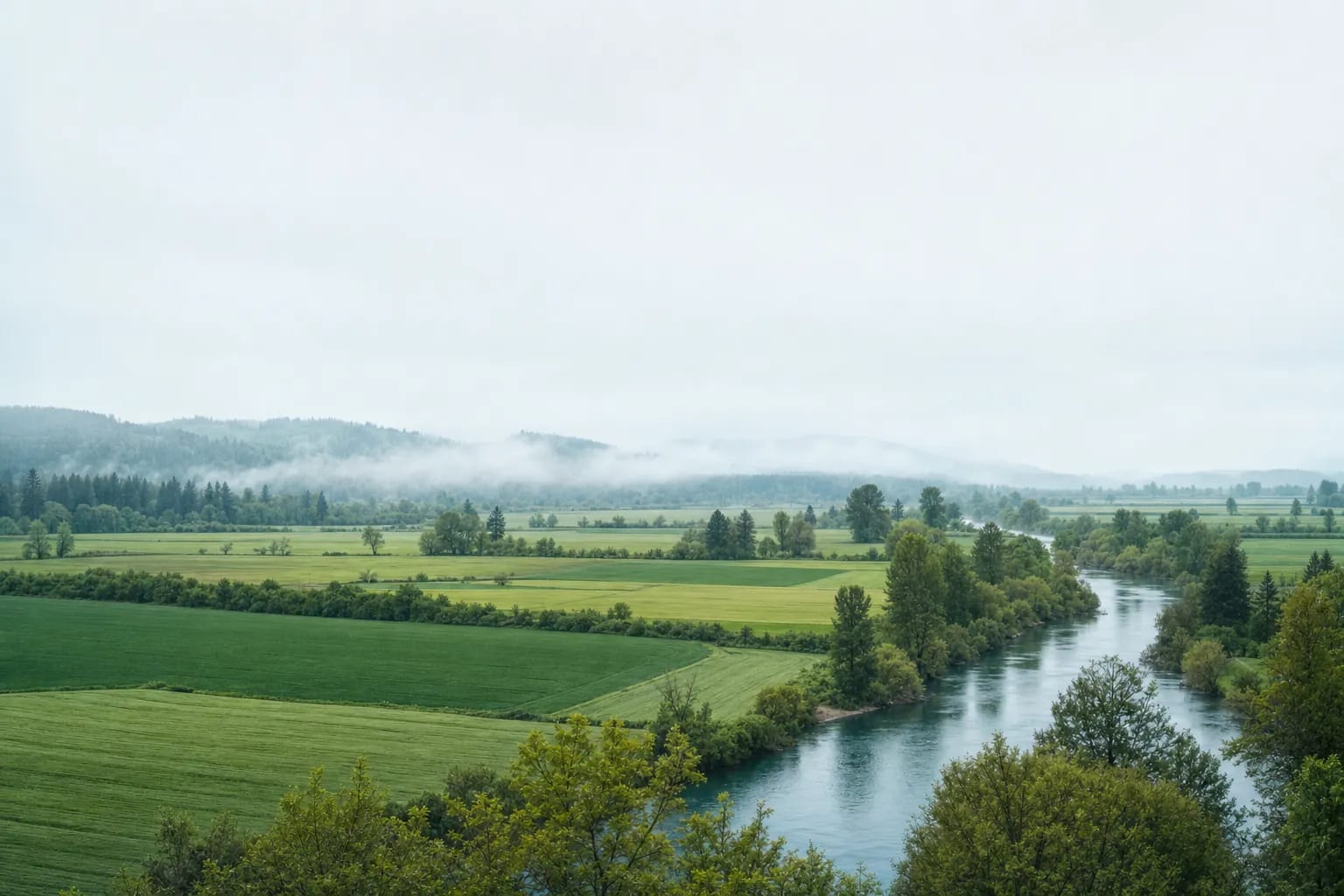
Daily life here runs from Albany's historic districts, bike trails, and seasonal festivals out to working farmland and, farther east, forested ground rising into the western Cascades. Part of the Willamette National Forest lies within the county, and Carpenter Mountain, one of the higher points in the western Cascades, stands inside its boundaries. If you were hurt anywhere along that span, the practical questions tend to be the same: who has the report, where treatment will happen, and what to say to insurers in the meantime.
Travel patterns, reports, and the county seat
Albany is centrally located in the valley and serves as a common starting point for trips to the Oregon Coast, the Cascade Mountains, and nearby cities like Portland and Eugene, so a steady mix of local and pass-through traffic moves across Linn County. When a collision happens, the agency that wrote the report usually depends on where it occurred: a crash inside Albany or another city may be documented by that city's police department, while incidents on rural roads and in unincorporated areas typically go to the county sheriff's office. Court and county records functions are generally centered in Albany as the county seat, and knowing early which office holds the paperwork can save weeks of back-and-forth later.
How timber, farms, and forest recreation shape claims here
Linn County's economy has long leaned on lumber and wood products, alongside agriculture, mining, and manufacturing. In 1990 that industry alone accounted for 40 percent of the county's manufacturing jobs. That mix matters practically: an injury involving a work site, commercial vehicle, or farm operation can bring employer policies and commercial insurers into the picture, and those coverage questions can differ from an ordinary two-car claim. The valley's climate and soil support one of Oregon's most diversified agricultural areas, with specialty crops such as ryegrass, so seasonal work rhythms may also affect when witnesses and records are easiest to reach.
Recreation and visitors add another layer. Road access to Carpenter Mountain runs only through neighboring Lane County, which illustrates a common wrinkle in the county's eastern terrain: an injury in a remote area may involve responders, reports, and records from more than one county. Closer to town, Albany's seasonal festivals and visitor programs, and the Linn County Historical Museum in Brownsville, draw people from outside the area, which can mean the other party, their insurer, and key witnesses are all based somewhere else, and gathering statements takes more deliberate follow-up.
Steady first steps after a Linn County injury
Start with a plain written account: date, time, location, and what you remember, made while the details are still fresh. Ask the responding agency, whether city police or the sheriff's office, for the report number and how to request a copy. Photograph what you can: the scene, any vehicles or equipment involved, and visible injuries as they change over time. Keep up with your treatment plan, since gaps in care are easy for an insurer to misread. And before you give a recorded statement or sign anything an insurance company sends, it can help to understand what the document actually does. If you would like to talk through your options for a Linn County claim, you can request a consultation with our office — no pressure, just a clear conversation about where things stand.