Injury guidance for Washington County
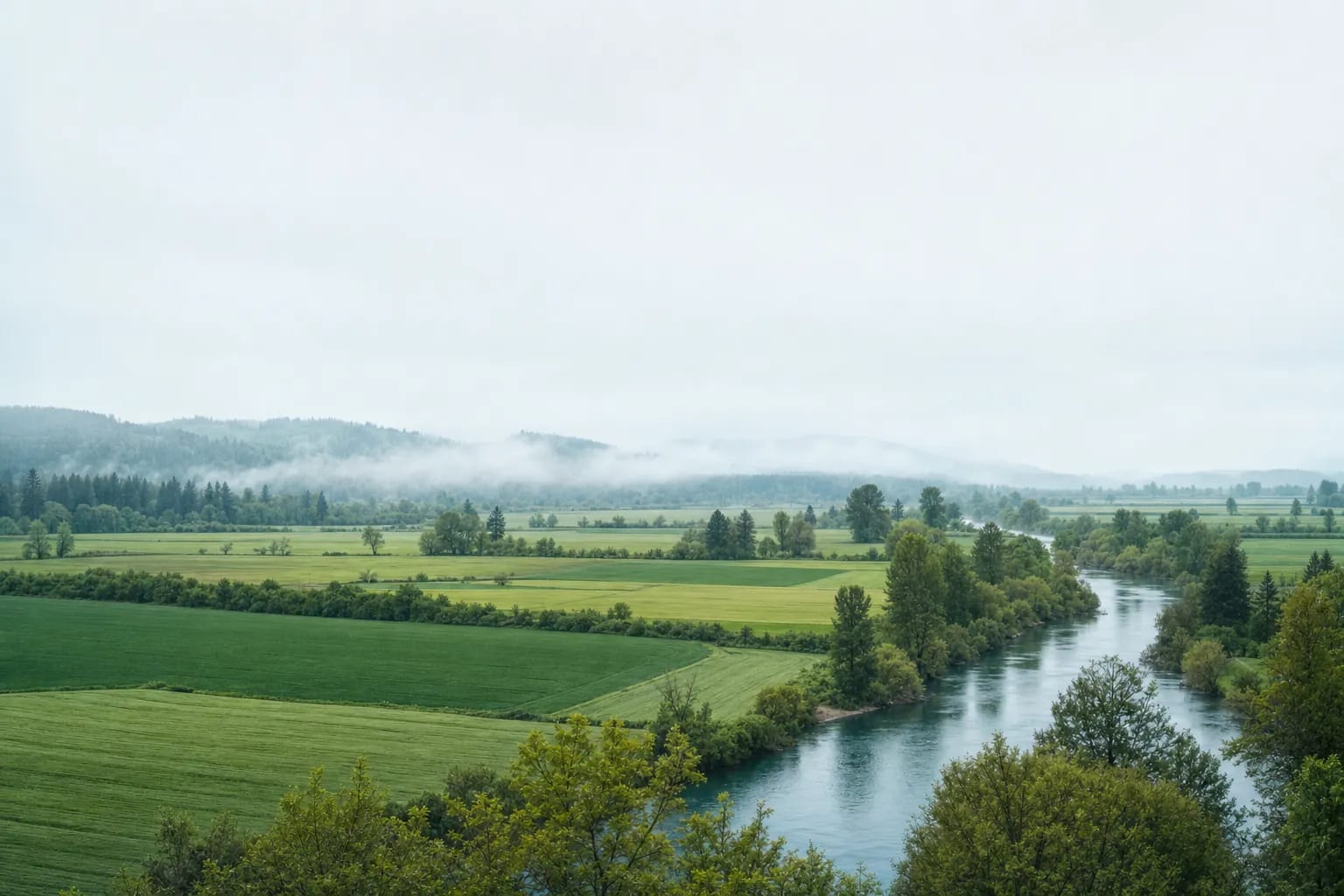
Most of Washington County lies in the Tualatin Valley, framed by the Tualatin Mountains to the east and north, the Chehalem Mountains to the south, and the Northern Oregon Coast Range rising toward South Saddle Mountain in the west. The county seat is Hillsboro, and the 2020 census counted 600,372 residents. Daily routines here mix highway commutes, farm and factory work, and weekend trips into the hills.
The county has deep roots in northwest Oregon. It was created as the Twality District in 1843 and renamed for the nation's first president in 1849, back when it covered the entire northwest corner of the state. Today an injury here can happen on a commuter highway at rush hour just as easily as on a vineyard road or a park trail.
Highways, police reports, and the courthouse in Hillsboro
Sections of Interstate 5 and Interstate 205 touch the county, and the Sunset Highway, Oregon Route 217, and Routes 47, 10, 6, and 8 carry commuters and freight across the valley every day. Where a collision happens usually determines who documents it: crashes inside a city are typically handled by that city's police department, while the county sheriff's office may respond in unincorporated areas. Getting the correct agency name and report number early makes the record much easier to obtain later.
Court matters connected to the county typically run through the Washington County Courthouse, and Hillsboro, as the county seat, is where much of that government function sits. If a claim ever requires a filing, venue and local procedure are details a lawyer can walk you through, not something you need to resolve on your own in the first days after an injury.
Farm work, trails, and tasting rooms: how valley life shapes a claim
Agriculture remains a major industry here, alongside lumber, manufacturing, and food processing. Injuries tied to that work can involve overlapping insurance layers: an employer's coverage, a third party's policy, or both. The equipment, staffing, and maintenance records that explain what happened may also sit with several different businesses. Asking that those records be preserved early can matter.
The county also draws steady recreational traffic. Hiking and biking trails, wetlands, paddling rivers, Stub Stewart State Park, Ki-a-Kuts Falls, and part of the Tualatin River National Wildlife Refuge all bring people outdoors, and the area's vineyards, known especially for Pinot Noir, bring visitors along rural roads and into tasting rooms. An injury at a park, winery, or trailhead raises practical questions: who maintains the property, whether an incident report was made on site, and how a visitor from outside the area coordinates treatment and insurance communication after returning home. None of that needs to be sorted immediately, but knowing the questions helps.
Early steps that tend to help after a Washington County injury
A few unhurried actions in the first days can preserve most of what a claim later needs. Write down your own account of the timeline while it is fresh. Photograph vehicles, the scene, and visible injuries before things change. Ask the responding agency for its name and the report number. Keep a running list of every provider you see, and save insurer letters, emails, and voicemails rather than answering them on the spot. You may decline a recorded statement until you have had advice. Deadlines can apply to Oregon injury claims and depend on the facts, so asking early is usually better than waiting. When you are ready, request a consultation and we can talk through your options — no pressure, no obligation.