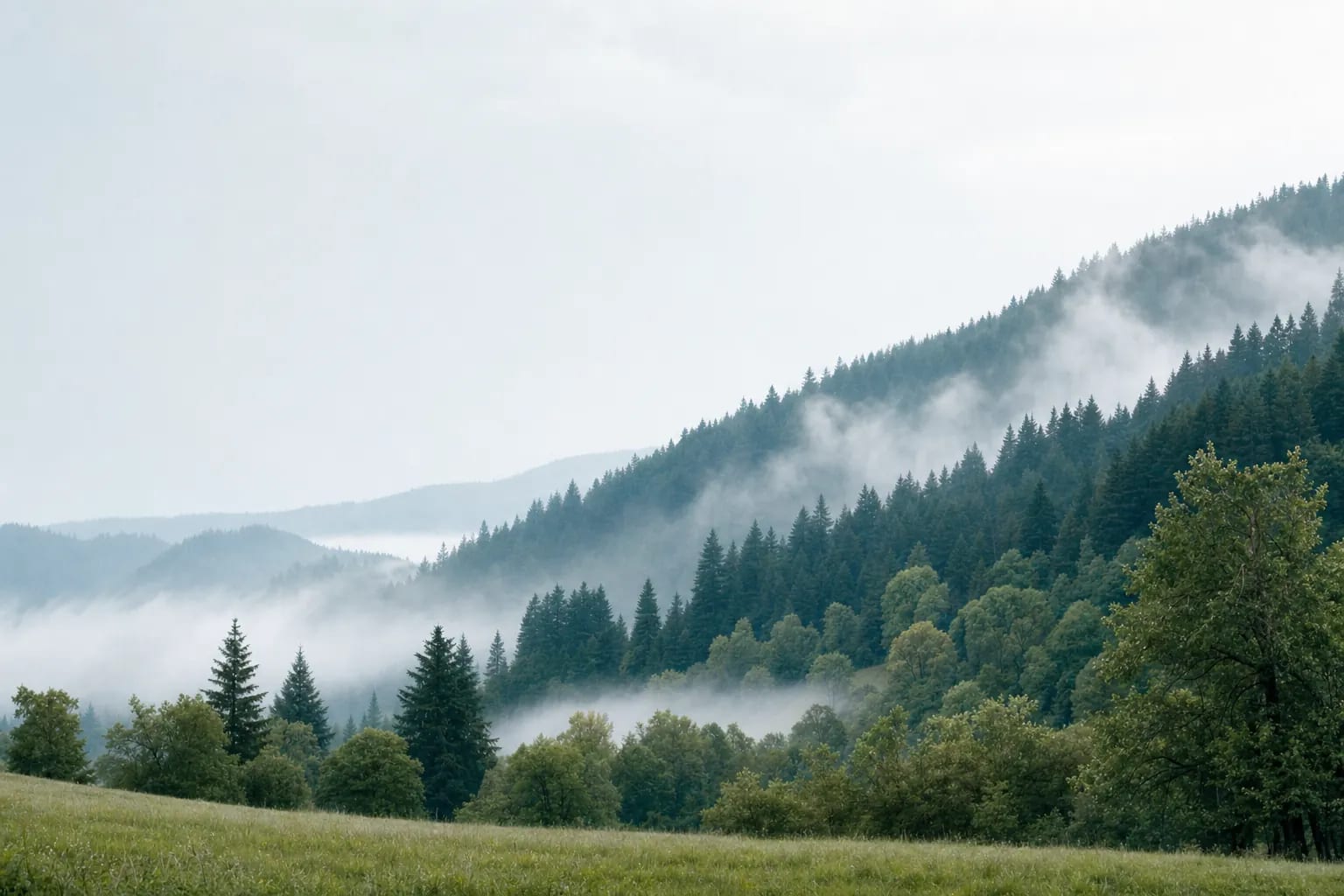
Injury guidance for Baker County
Baker County occupies the northeast corner of Oregon, roughly four hours east of Portland and two hours west of Boise, Idaho, along Interstate 84. Baker City has been the county seat since voters chose it in 1868, and it remains the place where much of the county's business gets done. With a population of 16,668 at the 2020 census spread across ranch country and mountain terrain, daily life here often involves real distances: to work, to appointments, and to medical care.
If you were hurt in Baker County, you are probably juggling treatment, an adjuster's calls, and missed work all at once, whether the injury came from a collision on the interstate, a fall at a business in Baker City, or an accident on a trail, slope, or job site. This page walks through where the practical pieces of a claim tend to sit in this county and which early steps can help.
Roads through Baker County and where the paperwork ends up
Interstate 84 is the county's main through-route, connecting Portland to the west and Boise to the east. Three Oregon Scenic Byways also meet in Baker County: the Elkhorn, Hells Canyon, and Journey Through Time byways carry seasonal visitor traffic toward the Elkhorn and Wallowa mountains and Hells Canyon.
Where an injury happens usually determines who documented it. A crash on I-84 may be worked by state troopers, an incident inside Baker City may go through the city police department, and events elsewhere in the county are often handled by the sheriff's office. Court functions for the county are typically centered in Baker City, the county seat, which is generally where county-level filings and hearings take place.
How mountain recreation and ranch country shape claims here
Tourism has been part of Baker County's economy since the late twentieth century, drawn by the Eagle Cap Wilderness, the Hells Canyon National Recreation Area, and the Anthony Lakes Ski Area, along with historic sites such as the National Historic Oregon Trail Interpretive Center and the Sumpter Valley Railroad. Two practical points follow. First, an injury in a remote recreation area often means treatment starts wherever care is available, so medical records may end up split between a local provider and a facility farther away; keeping your own list of every provider you see helps. Second, visitors traveling the byways mean the other driver in a crash may live out of the area or out of state, which can slow insurance communications and makes early documentation more valuable.
The county's working identity matters too. Logging, ranching, and mining run deep in Baker County's history, and when an injury overlaps with farm, ranch, or other outdoor work, questions can come up about which insurance coverage applies and whether more than one policy is involved. Those questions depend on the details of how and where the injury happened.
Early steps that tend to help after a Baker County injury
A few habits protect a claim when distances are long and agencies are spread out:
- Record the date, time, and location while the details are fresh, and get the report or incident number from whichever agency responded.
- Photograph what you can: vehicles, the roadway or walking surface, conditions, and any visible injuries.
- See a medical provider promptly and keep following through, even when appointments mean a long drive; gaps in treatment are easy for an insurer to misread.
- Keep every letter and message from insurers, and consider speaking with a lawyer before giving a recorded statement.
Deadlines in Oregon injury cases vary with the circumstances, so it is worth understanding yours early. When you are ready, request a consultation and we will talk through your options — no obligation, and no pressure.