Injury guidance for Columbia County
If you were hurt in Columbia County, in a collision near St. Helens, at a worksite outside Vernonia, or somewhere along the river, the weeks that follow tend to fill with appointments, adjuster calls, and paperwork you never planned for. This page is a calm starting point: where local records usually live, how county life shapes a claim, and which early steps matter.
The county has stood on its own since 1854, when it was created from the northern half of Washington County, and St. Helens has been the county seat since 1857, after Milton briefly held that role. Daily life spreads across St. Helens, Scappoose, and Vernonia, along with smaller places like Deer Island and Warren. Columbia County Rider (CC Rider) runs six intercity bus lines plus a flex route through downtown St. Helens, and most of the county falls within the Portland Community College district, a sign of the area's ties to the broader Portland region.
Where reports, court records, and county offices sit
Because St. Helens has anchored county government since 1857, that is typically where county-level functions are found: the circuit court that would hear a Columbia County injury lawsuit, county administrative offices, and the sheriff. Which agency documented your injury usually depends on where it happened. A crash inside city limits in St. Helens or Scappoose may be handled by city police, while an incident on a rural road or in an unincorporated area may fall to the county sheriff.
It helps to learn early which agency responded and to write down the report or incident number. And if a CC Rider bus or another public service was involved, claims against public bodies can follow different procedures, so it may be worth sorting out who the responsible entity is sooner rather than later.
How timber work and river life shape local claims
Columbia County's economy leans on wood products and paper manufacturing, along with trade, construction, and horticulture. Injuries connected to that kind of work can raise layered questions: workers' compensation on one track, and a possible claim against a third party, such as an equipment manufacturer or an outside contractor, on another. How those pieces fit usually depends on who employed whom and who controlled the site.
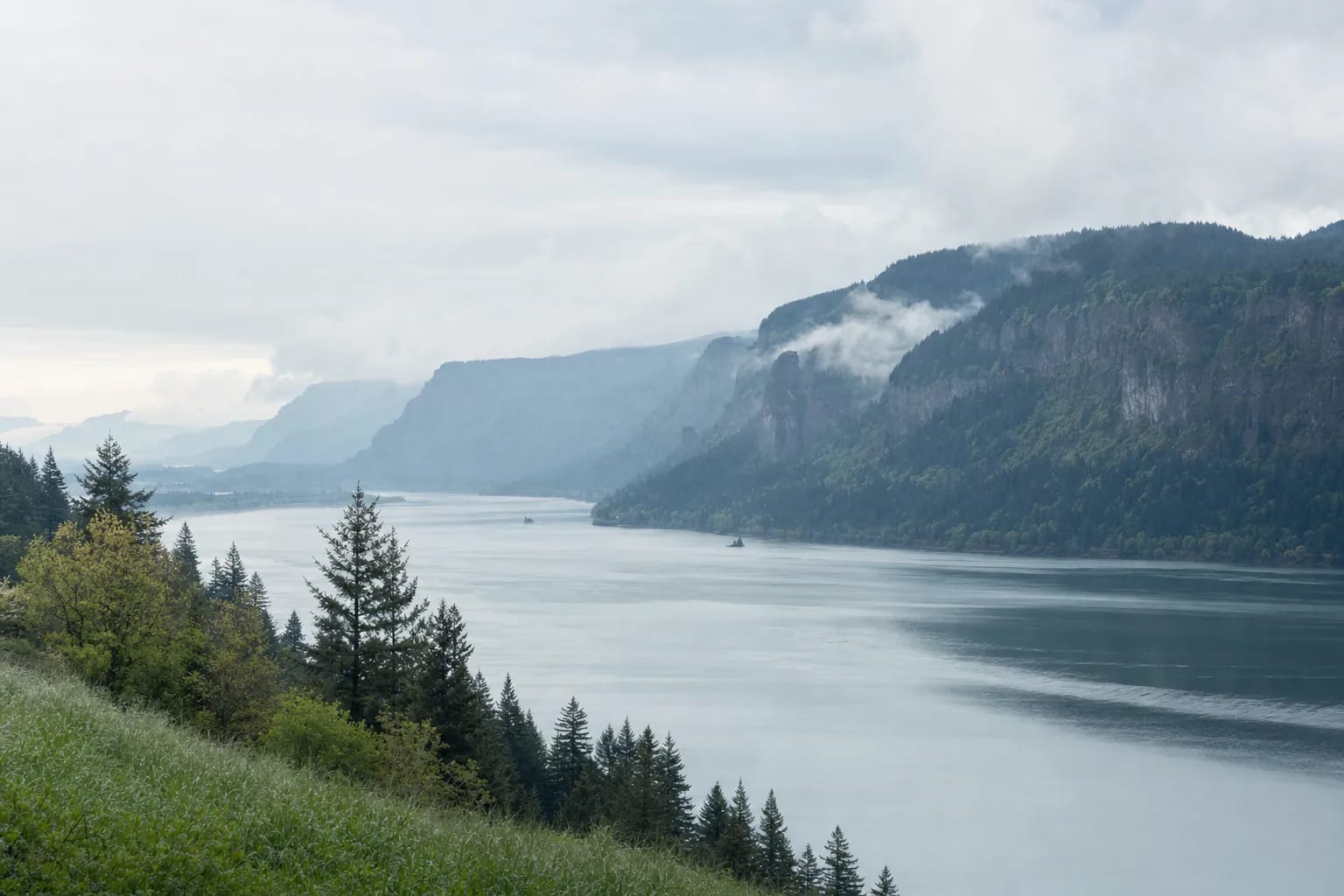
The Columbia River has defined this area since long before the county had a name. Lewis and Clark camped along its shore here in 1805 and again in 1806, and time on or near the water remains part of local life. An injury during recreation may turn on questions of property responsibility or boat insurance, and useful evidence often sits with whoever managed the location. If treatment takes you to providers outside the county, keep every referral, bill, and visit record together; scattered files are a common early problem in these claims.
Early steps that tend to help in Columbia County
A few habits in the first days can preserve options later:
- Write out your own timeline of the incident while details are fresh, including road and weather conditions if a vehicle was involved.
- Photograph what you can: the scene, vehicles or equipment, and your injuries as they heal.
- Note which agency took the report and request a copy or the report number.
- Follow through with medical care and keep the records, even for visits that feel routine.
- Before giving a recorded statement to any insurer, consider getting advice first; asking questions commits you to nothing.
Deadlines and notice rules in Oregon depend on the facts, so it is worth confirming how they apply to your situation rather than assuming. If you would like to talk through what happened and what your options may look like, you can request a consultation with our office — no obligation, and no pressure to decide anything on the spot.