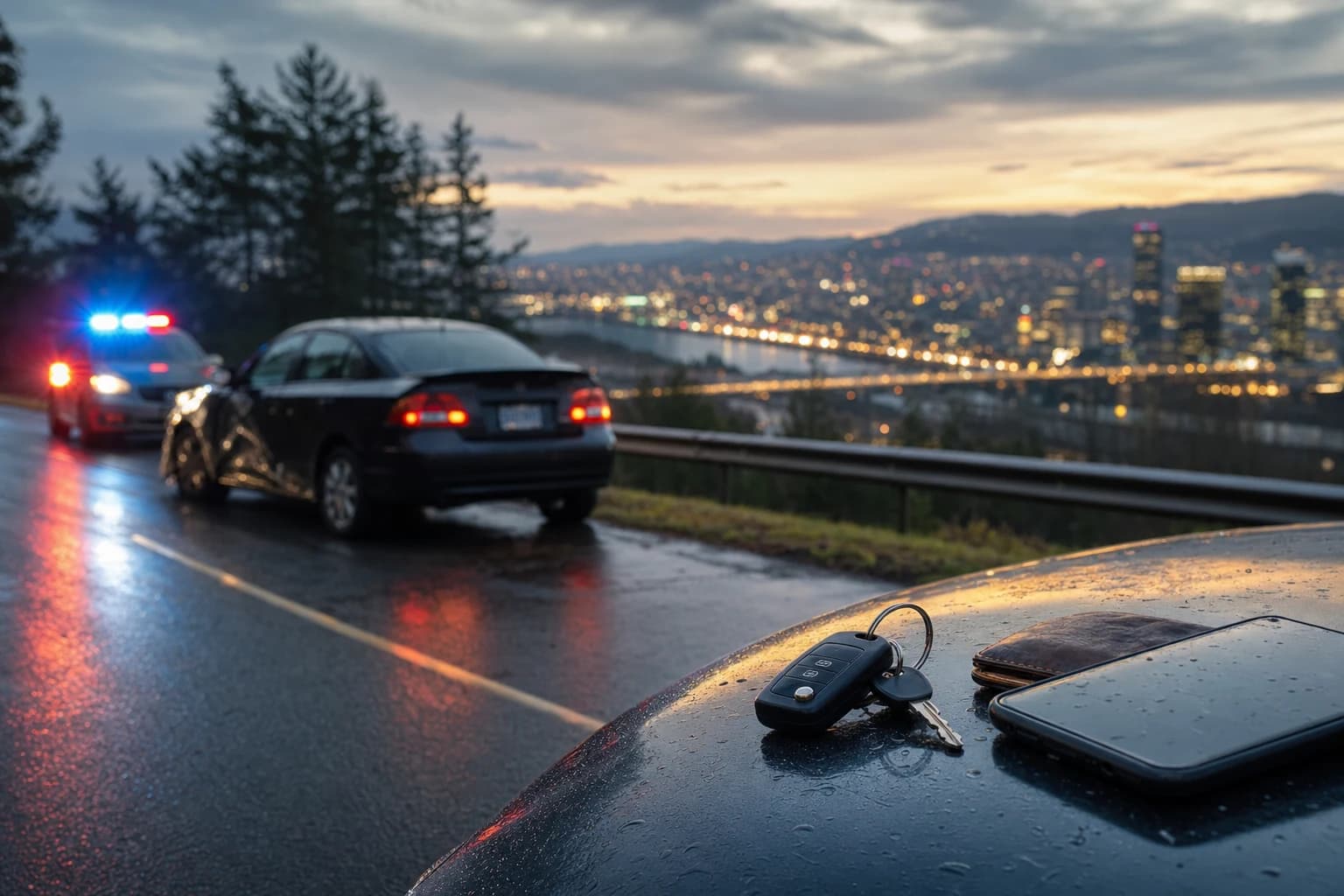
New Title: Combatting Drunk Driving: Key Statistics, Safety Tips, and Legal Insights
Drunk driving is responsible for nearly 30% of all traffic fatalities in the US, according to the CDC. This article offers statistics on drunk driving and prevention tips such as planning ahead, not letting friends drive after drinking, being aware of surroundings, and calling 911 if necessary. In Oregon, injured parties may seek compensation from establishments that served alcohol to visibly intoxicated customers under dram shop laws.
Pacific Injury Law Firm
Published February 28, 2023 · 3 min read

Drunk driving is a severe problem that can devastate the driver and those around them. Every year, thousands of people are killed or injured in alcohol-related car accidents, making it one of the leading causes of death on the roads. In this article, we'll look at drunk driving statistics and offer prevention tips to help keep people safe on the streets.
Statistics
According to the Centers for Disease Control and Prevention (CDC), over 10, 000 people in the United States were killed in alcohol-related car crashes in 2018 alone. This figure amounts to nearly 30% of all traffic fatalities that year. Furthermore, an estimated 300, 000 people are injured yearly due to drunk driving crashes.
The risk of being involved in an alcohol-related crash increases with age; for example, adults aged 25-34 are more than twice as likely as those aged 16-20 to be involved in a fatal crash involving alcohol. However, this does not mean that younger drivers are exempt from these dangers; drivers under 21 accounted for 17% of all deaths from alcohol-impaired crashes in 2018, according to data from the National Highway Traffic Safety Administration (NHTSA).
Prevention Tips
The best way to prevent drunk driving is by not drinking and driving at all – however, there are other ways you can help keep yourself and others safe on the roads:
- Plan ahead: Before you go out drinking with friends or family, make sure you plan to get home safely, such as arranging a designated driver or taking public transportation.
- Don't let your friends drive: If someone has been drinking too much, then don't let them get behind the wheel – instead, call them a taxi or arrange other transportation.
- Be aware of your surroundings: Always be mindful of what other drivers may be doing around you so that you can take evasive action if necessary should they start behaving erratically or dangerously due to intoxication.
- Call 911: If you see someone who appears impaired while driving, don't hesitate to call 911 immediately; it could save lives. Drunk driving is far too deadly to let pass.
Injuries from Drunk Driving
In Oregon, injuries from drunk drivers can have devastating consequences for victims and their families. According to the Oregon Department of Transportation, alcohol-related crashes were responsible for 27% of all traffic fatalities in the state in 2020. When drunk driving accidents occur, injured parties may seek compensation from the driver responsible for the crash. However, in some cases, injured parties may also seek compensation from the establishment that served the drunk driver.
This is where dram shop laws come into play. These laws hold establishments, such as bars or taverns, liable for injuries or damages caused by a drunk customer if they served alcohol to the customer when they were visibly intoxicated. This means that if a person is injured by a drunk driver who was over-served at a tavern, the victim may be able to file a claim against the establishment under Oregon's dram shop laws. An experienced Oregon drunk driving injury attorney can help an injured party recover from the negligent drunk driver and potentially find compensation at the bar or tavern that served the driver.
Conclusion
Drunk driving is a serious problem that can have devastating consequences – legally and personally – but it doesn't have to be this way! Following these prevention tips and planning before going out drinking with friends or family can help reduce these risks and keep everyone safe on our roads.
Talk with an Oregon injury lawyer
Free initial consultation. No-obligation case review.
Request a consultation(971) 277-3811This article is general information, not legal advice about your situation.
Clear advice before the process gets louder
Insurance calls, medical bills, missed work, and uncertainty tend to arrive at the same time. The first job is to steady the situation: understand the facts, preserve useful records, and talk through the legal options that fit your Oregon injury claim.

“... I was referred to Adam who was able to take my case and quickly get it resolved for more than I expected. I was very pleasantly surprised by his attention to detail and tenacious negotiating tactics... Adam handled everything to make sure I received the maximum compensation for my injuries. If you need a good personal injury lawyer you just found one.”
Past results do not guarantee a similar outcome.
Related reading
Injured by a drunk driver in Oregon: how a DUI accident claim works
In Oregon, navigating DUI accident claims involves understanding specific legal nuances. This post elucidates five crucial aspects, from the strict DUI laws that enhance victim rights to the vital role of evidence in substantiating claims. It's an indispensable guide for victims seeking justice and compensation in the wake of a DUI-related incident in Oregon.
Learn moreUnderstanding DUII Accident Claims: An Oregon Victims' Guide
In Oregon, victims of drunk driving accidents possess the right to seek justice and compensation. Our latest blog post delves into the complexities of confronting a drunk driver in court, examining critical aspects of Oregon law that govern these cases. From understanding the legal framework to navigating the trial process, we provide essential guidance for those impacted by such reckless behavior on the roads.
Learn moreOregon Car Injury Claim Settlement Factors
This guide explains factors that may affect an Oregon car injury claim, including evidence, medical records, insurance coverage, negotiation, and case timing.
Learn more