Loading page…
Loading page…
Blog category
Oregon injury articles and practical claim guidance related to Accident Prevention.
Oregon riders face unique legal rules after a crash. This guide explains key Oregon statutes, insurance requirements, and case law that shape motorcycle claims.
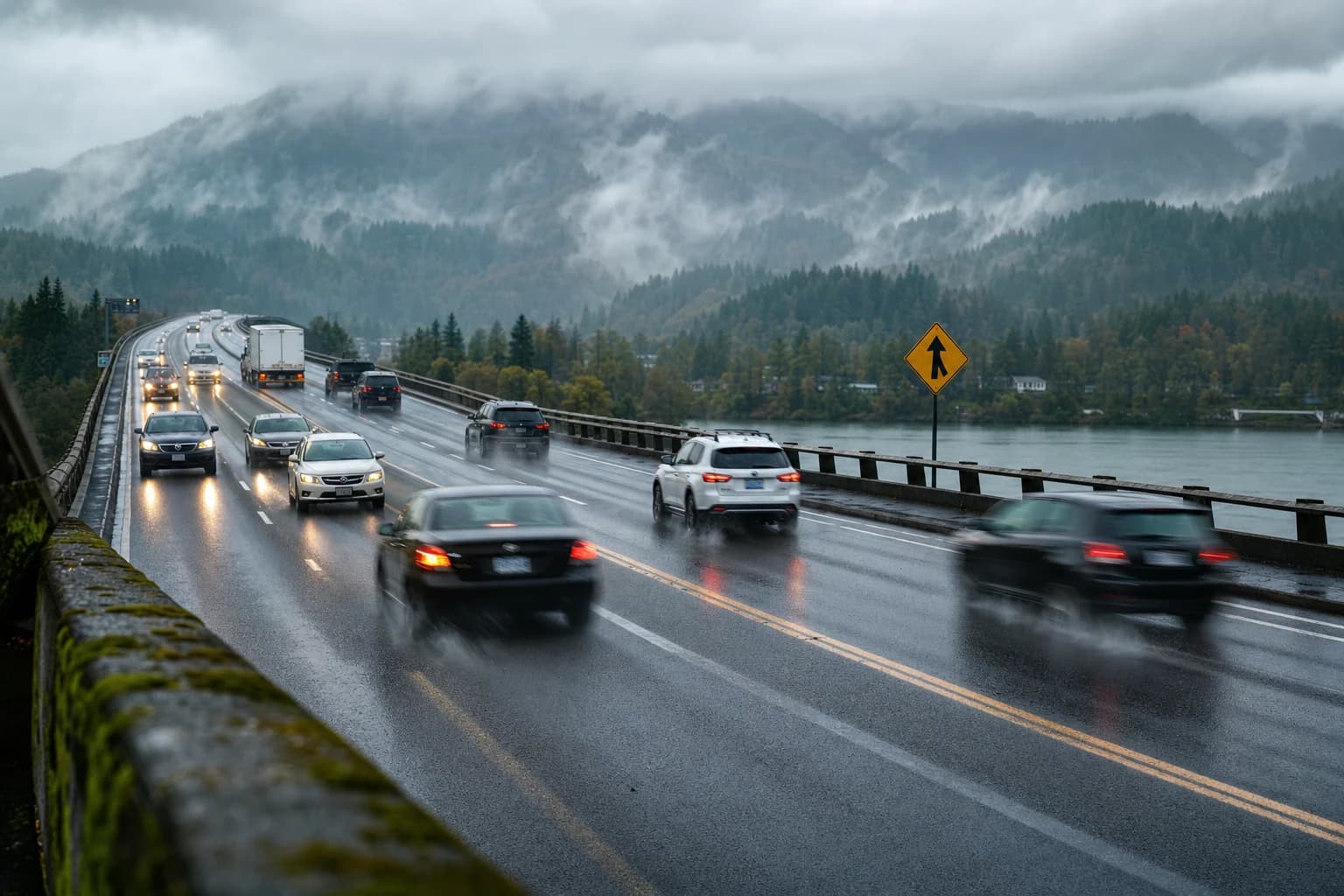
Learn moreMotor vehicle accidents can be caused by weather conditions such as rain, snow, and fog. Drivers must be aware of their surroundings and take extra precautions when driving in inclement weather to avoid potential crashes.
Learn moreThis article discusses the risks associated with commercial truck accidents and how to protect yourself. It covers the importance of securing loads, safety regulations, and how to reduce crash risks.
Learn moreThis article debunks prevalent misconceptions about bicycle accident injuries and compensation, providing clarity on cyclists' rights and avenues for legal recourse.
Learn moreThis article delves into motorcycle accident statistics to understand their severity, discusses common causes and contributing factors, suggests preventive measures for riders and drivers, and highlights the role of personal injury attorneys in such cases.
Learn moreThe Federal Motor Carrier Safety Administration (FMCSA) is responsible for regulating and monitoring commercial trucking safety in the United States. They investigate crashes, create safety regulations, and enforce rules to reduce the number of commercial truck accidents.
Learn moreThis post reviews common pedestrian accident injuries, including fractures, head injuries, and internal injuries, and explains why medical care and documentation matter.
Learn moreExplore Oregon's picturesque landscapes by bicycle while staying safe with essential safety tips. Learn about the importance of wearing a helmet, following traffic laws, using lights and reflectors, being aware of road hazards, staying visible, and using your senses to avoid accidents and enjoy the ride.
Learn moreThis blog post discusses the most common types of dog bite injuries and provides safety tips for preventing these incidents while outlining appropriate response measures.
Learn moreAn image depicting a car equipped with advanced driver assistance systems (ADAS) on a road, showcasing the technology being leveraged to improve road safety and reduce car accident injuries in Oregon.
Learn moreThis blog post delves into the dangers of drunk driving, including legal consequences for drivers and physical and emotional consequences for victims. The article offers tips on how to avoid drunk driving accidents, such as designating a sober driver or using public transportation. Additionally, the post encourages those who have been injured in a drunk-driving accident to seek out experienced attorneys for help recovering compensation.
Learn moreExplore the growing concern of bicycle accidents as cycling becomes a popular mode of transportation. Learn about the dangers, how improved road design can reduce risks, and the importance of understanding your rights if involved in an accident. This blog post delves into crucial information for cyclists to protect themselves from harm and navigate legal matters.
Learn moreWearing a helmet while riding a motorcycle is essential for safety. Helmets help protect the head and brain from severe injuries in the event of an accident. Wearing a helmet can be the difference between life and death.
Learn moreA new blog post delves into the dangers of texting while driving, and how to protect oneself from these risks. Research shows that texting while driving significantly increases the risk of an accident occurring, and there are also legal ramifications associated with it. The post offers several steps drivers can take to limit distractions and protect themselves, including turning off notifications and investing in hands-free devices.
Learn moreThis article discusses the growing number of motorcycle accidents and explores the many factors that contribute to them, such as speed, road conditions, and rider inexperience. It looks at solutions to reduce these crashes.
Learn moreSlip and fall injuries in stores are a serious risk, with wet floors being a major factor. Understanding the dangers of wet floors and taking steps to prevent these injuries can save lives (and broken bones!)
Learn moreDrunk driving is responsible for nearly 30% of all traffic fatalities in the US, according to the CDC. This article offers statistics on drunk driving and prevention tips such as planning ahead, not letting friends drive after drinking, being aware of surroundings, and calling 911 if necessary. In Oregon, injured parties may seek compensation from establishments that served alcohol to visibly intoxicated customers under dram shop laws.
Learn moreThis article discusses the risks of bicycle accidents and how to prevent them. It emphasizes the importance of visibility by wearing reflective clothing, using lights, and being aware of your surroundings.
Learn morePedestrian fatalities have been increasing in the US, with speed being a major factor. New York City has launched Vision Zero to reduce traffic-related fatalities and injuries, but nationwide implementation of lower speed limits, increased enforcement and other measures is needed to protect pedestrians from speeding cars. Small reductions can make a big difference in fatal crashes involving pedestrians. Legislation requiring cities to implement such measures is essential for successful long-term solutions.
Learn moreAccording to data from the National Highway Traffic Safety Administration (NHTSA), motorcycle accidents continue to be a major public health concern, with over 5,000 motorcyclists killed in crashes in 2020. The number of motorcycle accident injuries is also alarmingly high, with thousands of motorcyclists suffering serious injuries each year.
Learn moreEach year, the Oregon Department of Transportation compiles statistics for the most common reasons for vehicle injuries. As of 2017, according to the most recent data available in 2017, the following are the 10 most common driver errors that cause injury:
Learn moreThe most practical way to protect yourself from injury is by wearing appropriate safety gear. Safety equipment can lower the probability of harm in the event of an accident substantially. In Oregon, a helmet is required equipment. Additionally, consider a jacket designed for motorcycling with integrated skid plates, goggles, a mouthpiece, gloves, gloves, knee pads, hip pads, and a helmet when you ride your bike.
Learn more