Injury guidance for Harney County
Harney County covers a wide stretch of Oregon's high desert, and it has only two incorporated cities: Burns, the county seat and the larger of the two with about forty percent of the county's residents, and Hines, home to roughly another twenty percent. Everyone else lives outside city limits, which means daily life here involves real distances: to work, to school, to the store, and, after an injury, to medical care.
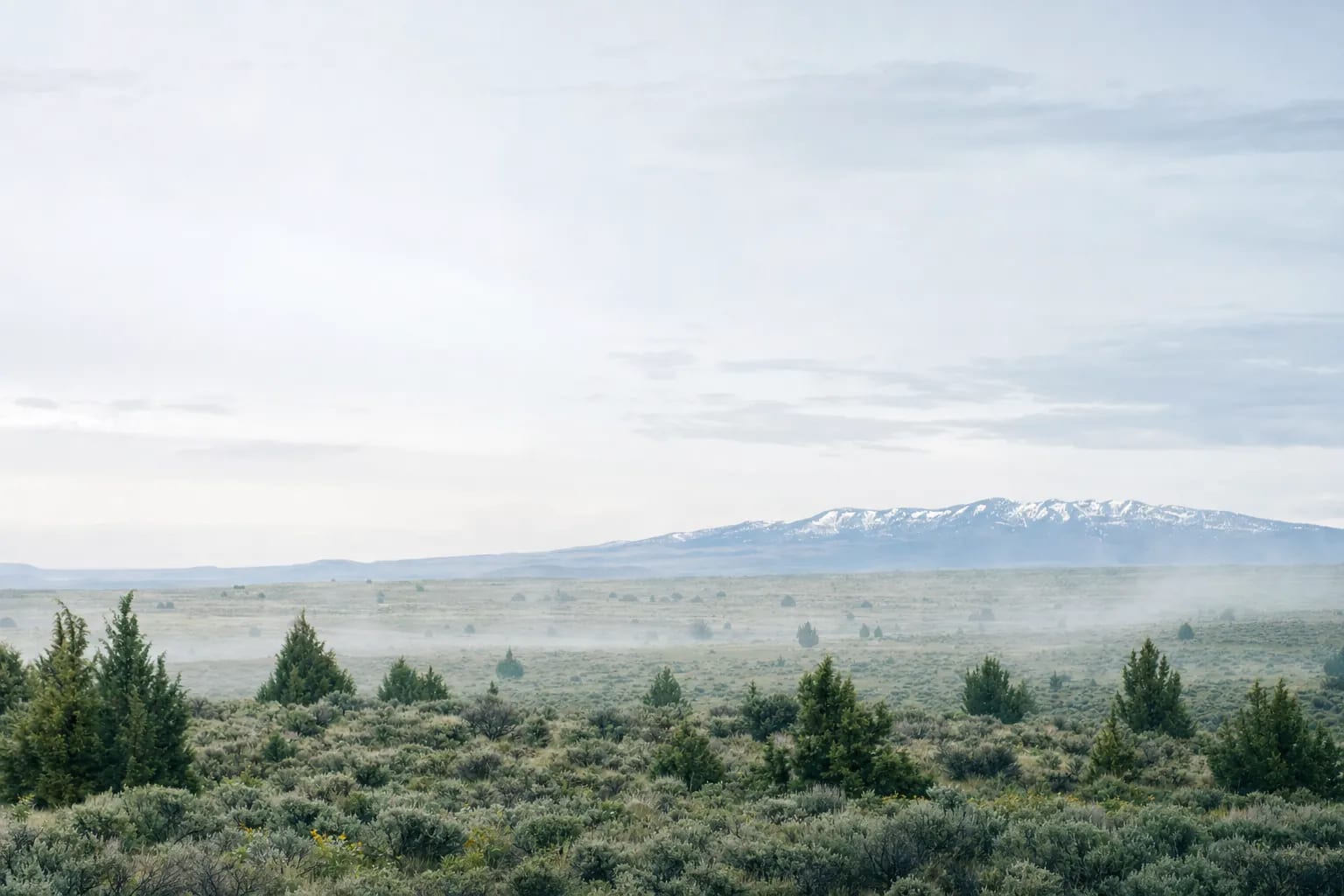
The county's economy has traditionally rested on ranching, sheep raising, and timber. The surrounding country is high desert: Steens Mountain rises here, the Harney Basin to its north holds Malheur Lake and Harney Lake, and national forest land lies nearby. Visitors come to the county for hunting, fishing, and camping. When someone is hurt in a place this remote, the distances involved shape nearly every practical step that follows, from who responds to where the paperwork ends up.
Where Harney County reports, records, and court matters sit
Burns has served as the county seat since 1890, and county-level functions are generally centered there. If a crash or other injury happens outside city limits, which describes most of the county, the responding agency may be the county sheriff's office, and its report typically stays with that office. Within Burns or Hines, a city department may have responded instead. Identifying which agency wrote the report is usually the first step in requesting a copy, and the report number makes every later request easier.
Court filings connected to a Harney County injury are typically handled in the county seat as well. For someone recovering from an injury while living far outside town, collecting records can feel like one more long drive, but much of it can be done by phone, by mail, or by someone acting on your behalf.
How life in the high desert can shape a claim
Recreation is a steady part of life here. Hunting, fishing, and camping draw visitors, and in areas like the high desert around Steens Mountain or the Harney Basin, a trip can end with an injury far from any clinic. Treatment may begin with local responders and continue at a larger facility elsewhere, which splits medical records across providers in different places. Keeping a complete list of everyone who treats you helps a claim hold together later.
Work injuries here often connect to ranching, sheep operations, or timber. Those settings can involve an employer, an equipment owner, and more than one insurance policy, and sorting out which coverage applies may take time. Visitors matter too: a witness passing through for a hunting or fishing trip may be gone within days, so collecting names and contact information early can preserve testimony that would otherwise be lost.
Sensible first moves after an injury near Burns or Hines
Start by writing down what happened while it is fresh: the date, the time, the location described as precisely as you can manage, and the road, weather, or trail conditions. Photograph vehicles, equipment, the scene, and any visible injuries before repairs are made or healing blurs the picture. Ask the responding agency for its report or incident number, and note which agency it was. Keep track of every provider who treats you, including care you receive outside the county, and hold on to bills and discharge paperwork.
Before giving a recorded statement to an insurer or accepting an early offer, it may help to get advice first. Deadlines can apply to Oregon injury claims, and how they apply depends on the situation, so sooner is generally better than later for sorting that out. If you would like to talk through your options, you can request a consultation with our office. There is no pressure and no obligation.