Loading page…
Loading page…
Blog
Practical articles for people trying to understand accident claims, insurance issues, medical records, and legal deadlines.
Search by a question or describe what happened. Results use both the words in your search and related legal concepts.
Narrow the library to articles about a specific kind of injury.
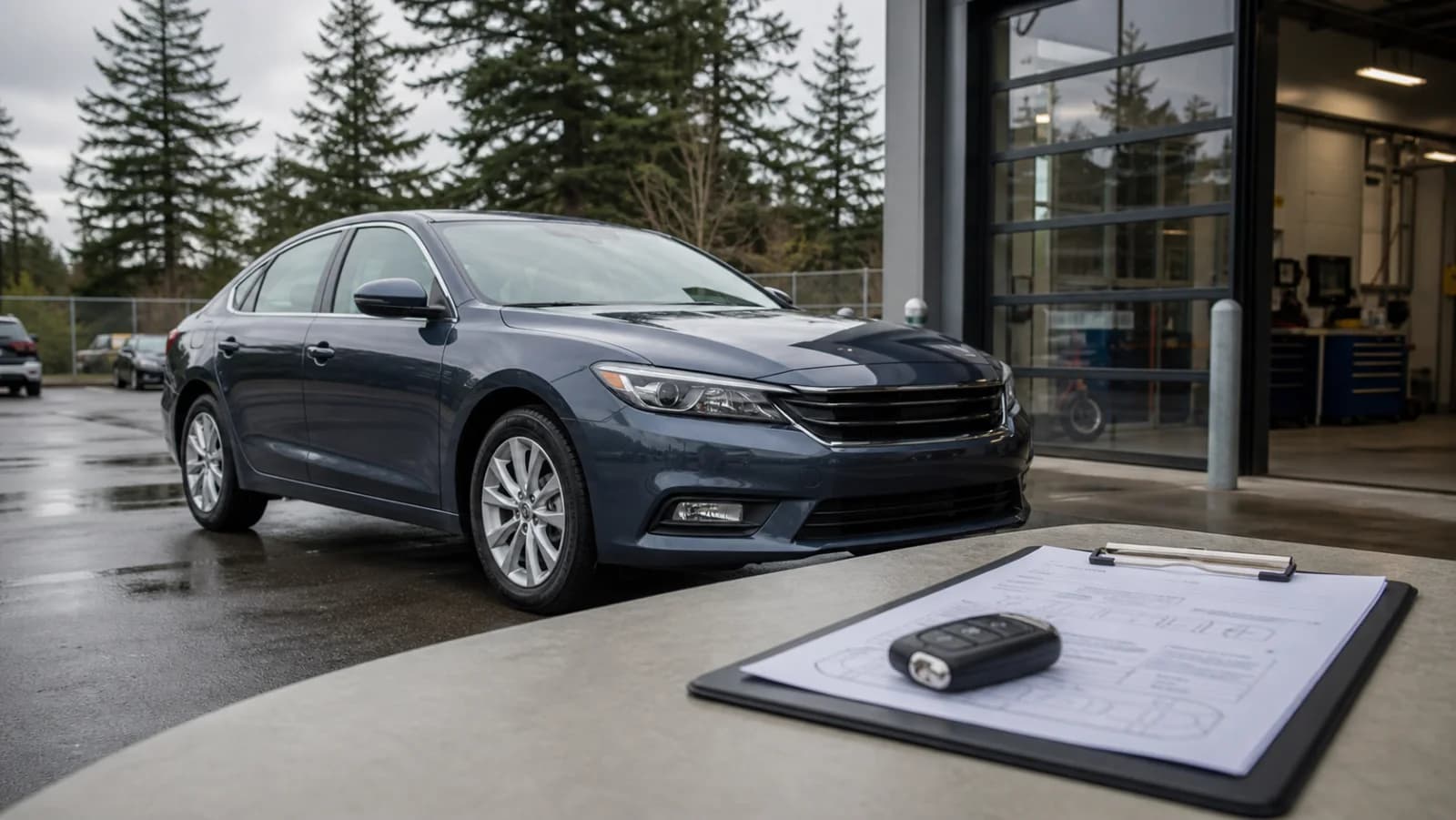
Oregon-guide-to-diminished-value-claims-involving-leased-vehicles.
Learn moreAn injury can change income, earning capacity, and medical costs used in Oregon spousal or child support discussions.
Learn moreMedical bills, reimbursement claims, and injury liens require different treatment when Oregon spouses divide debt during divorce.
Learn moreOregonians recovering from an injury should plan for health coverage before a divorce judgment ends eligibility under a spouse's employer plan.
Learn moreA pending injury claim and an Oregon divorce can move forward at the same time when deadlines, disclosure, and settlement terms are coordinated.
Learn moreAn Oregon personal injury settlement can affect property division, disclosure, and support. Learn what couples should document before an agreed divorce.
Learn moreOregon riders face unique legal rules after a crash. This guide explains key Oregon statutes, insurance requirements, and case law that shape motorcycle claims.
Learn moreOregon law gives people injured by drunk drivers multiple avenues for justice. This guide explains the statutes, cases, and procedures that shape civil claims after DUII crashes.
Learn moreOregon truck crashes raise complex legal and insurance issues. This guide explains the statutes, case law, and practical steps that shape commercial truck accident claims in Oregon.
Learn moreIn the scenic but sometimes perilous roads of Oregon, motorcyclists face unique challenges and risks. This concise guide delves into the legal avenues available after a motorcycle mishap, offering vital information on navigating claims, understanding Oregon-specific regulations, and ensuring riders' rights are protected. Pacific Injury Law Firm brings clarity to the complexities of post-accident procedures for motorcyclists in Oregon.
Learn moreIn Oregon, navigating the aftermath of a motorcycle accident involves understanding state-specific helmet laws and courtroom procedures. Pacific Injury Law Firm's latest guide offers an in-depth look at Oregon's legal landscape, providing crucial insights for riders on compliance and how to effectively approach claims and litigation following an accident.
Learn moreIn Oregon, the journey through grief is compounded by the complexities of legal action. This guide illuminates the path for those facing the arduous process of filing a wrongful death suit. Understanding state-specific statutes, from eligibility to file to statute limitations, is crucial. Pacific Injury Law Firm offers expertise in navigating these intricate legal waters, ensuring no detail is overlooked in seeking justice for your loved one.
Learn moreIn the complex landscape of Oregon's auto accident laws, understanding fault and compensation is paramount. Pacific Injury Law Firm provides an essential guide for navigating these intricacies, highlighting Oregon's unique comparative negligence system that may impact your claim. This post offers vital insights for anyone involved in a vehicular incident within the state, ensuring they are well-equipped to seek just compensation.
Learn moreIn Oregon, navigating DUI accident claims involves understanding specific legal nuances. This post elucidates five crucial aspects, from the strict DUI laws that enhance victim rights to the vital role of evidence in substantiating claims. It's an indispensable guide for victims seeking justice and compensation in the wake of a DUI-related incident in Oregon.
Learn moreIn Oregon, property owners are bound by a legal duty of care to ensure their premises are safe for visitors. This synopsis delves into the specifics of this obligation, covering various scenarios from commercial spaces to private residences. Understanding these responsibilities is crucial for both property owners and those potentially affected by negligence in maintaining safe environments.
Learn moreSlip and fall accidents can be costly for victims, both financially and physically. This article explores the financial burden of such accidents and who is responsible for covering the costs.
Learn moreDiscover expert strategies for successfully navigating a wrongful death case in Oregon, utilizing in-depth knowledge of state laws and personal injury attorney insights to achieve the best outcome.
Learn moreExplore the complexities of liability in car accidents in Oregon, including drunk driving, distracted driving, and company-owned vehicle incidents.
Learn moreIn Oregon, navigating the aftermath of a bicycle accident involves understanding specific state laws that protect cyclists and outline the responsibilities of all parties involved. This comprehensive guide delves into Oregon's legal framework, offering crucial insights for cyclists on how to safeguard their rights and pursue rightful compensation after an accident.
Learn moreIn the intricate legal landscape of Oregon, wrongful death settlements are influenced by several critical factors. Our latest analysis delves into the five pivotal elements that shape these compensations, including negligence proof, relationship to the deceased, incurred expenses, income loss, and punitive damages. Understanding these can significantly impact the settlement's outcome in Oregon's judicial system.
Learn moreIn Oregon, navigating the complexities of wrongful death claims demands a nuanced understanding of state-specific statutes. Our comprehensive guide demystifies the process, providing essential insights on eligibility, filing deadlines, and potential damages. This resource is invaluable for families seeking justice and compensation in the wake of a tragic loss within the bounds of Oregon law.
Learn moreIn Oregon, victims of drunk driving incidents possess the right to seek justice beyond the driver's accountability. This comprehensive guide elucidates Oregon's Dram Shop Laws, enabling victims and their families to understand how establishments serving alcohol can be held liable for injuries sustained. A crucial read for those navigating the aftermath of such accidents, it offers clarity on legal recourse available within the state.
Learn moreIn Oregon, victims of drunk driving accidents possess the right to seek justice and compensation. Our latest blog post delves into the complexities of confronting a drunk driver in court, examining critical aspects of Oregon law that govern these cases. From understanding the legal framework to navigating the trial process, we provide essential guidance for those impacted by such reckless behavior on the roads.
Learn moreWhen handling small tort claims in Oregon, ORS 20.080 is a powerful tool that enables plaintiffs to recover attorney fees—but only if the claim is managed correctly. One of the most common and costly mistakes lawyers make is pleading for more than $10,000 in damages after making a settlement demand under the statute. This mistake can entirely forfeit your right to attorney fees.
Learn more